
The Business of Gingerbread
Turning Math Into Real-World Magic
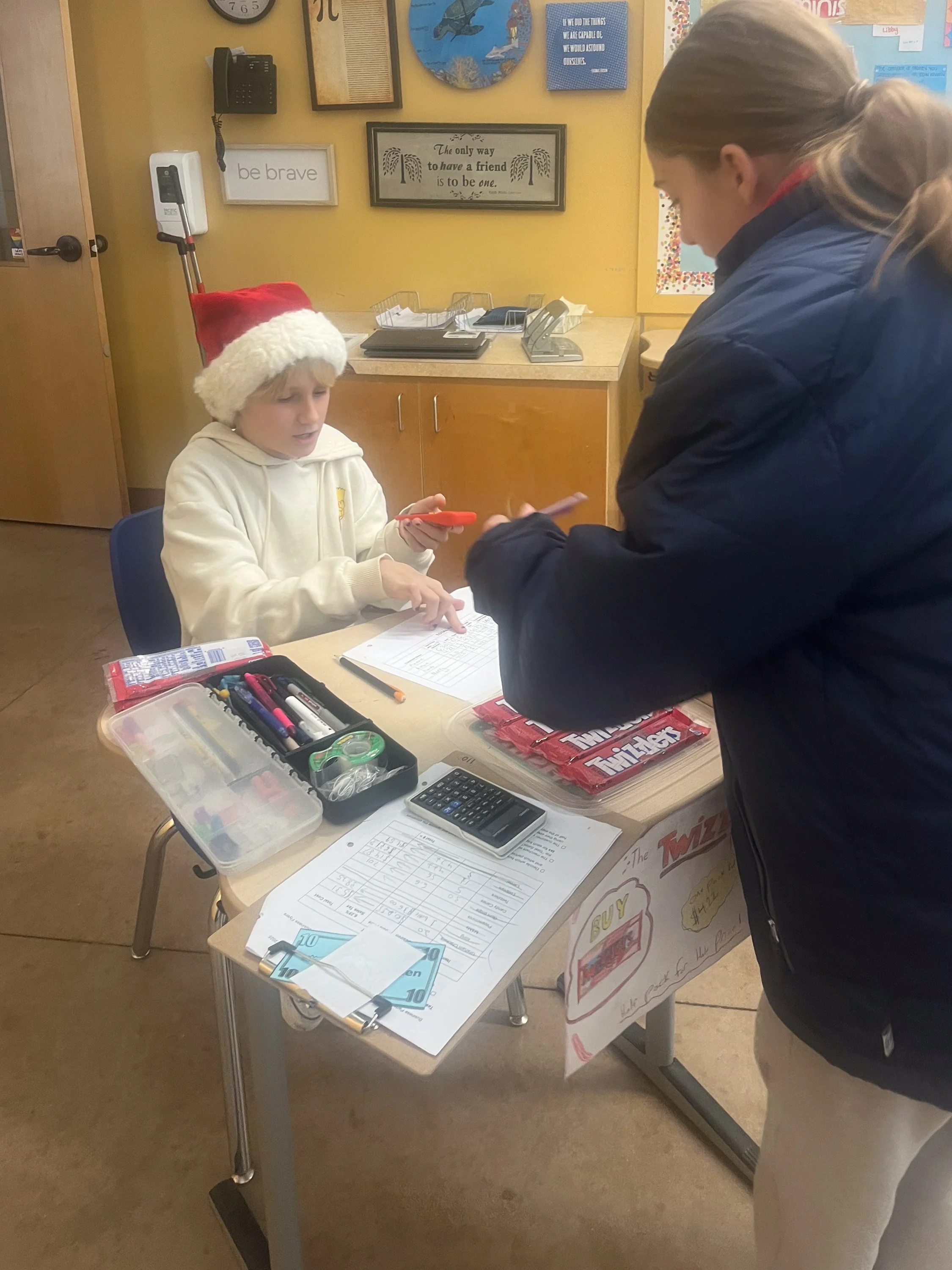
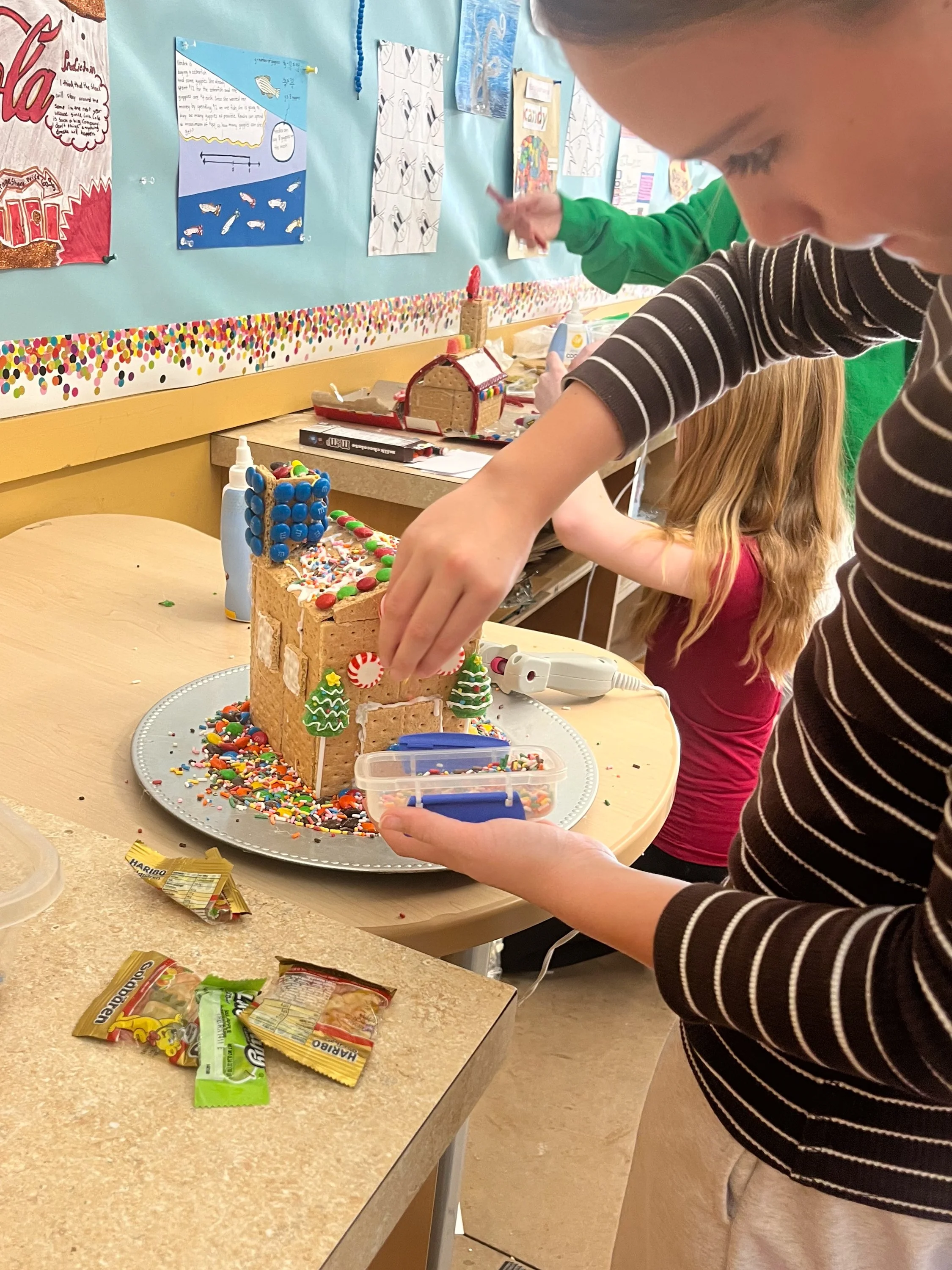
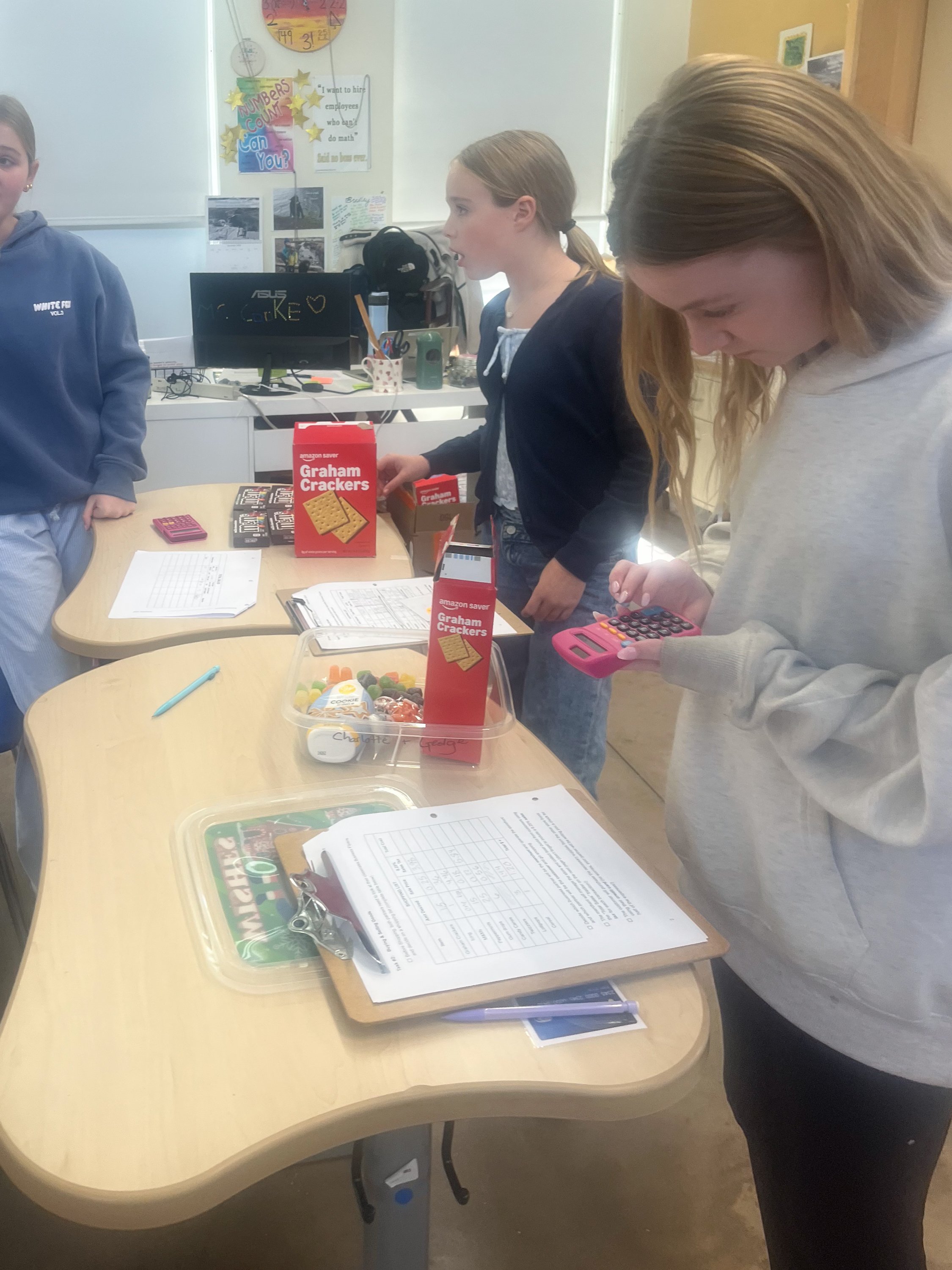
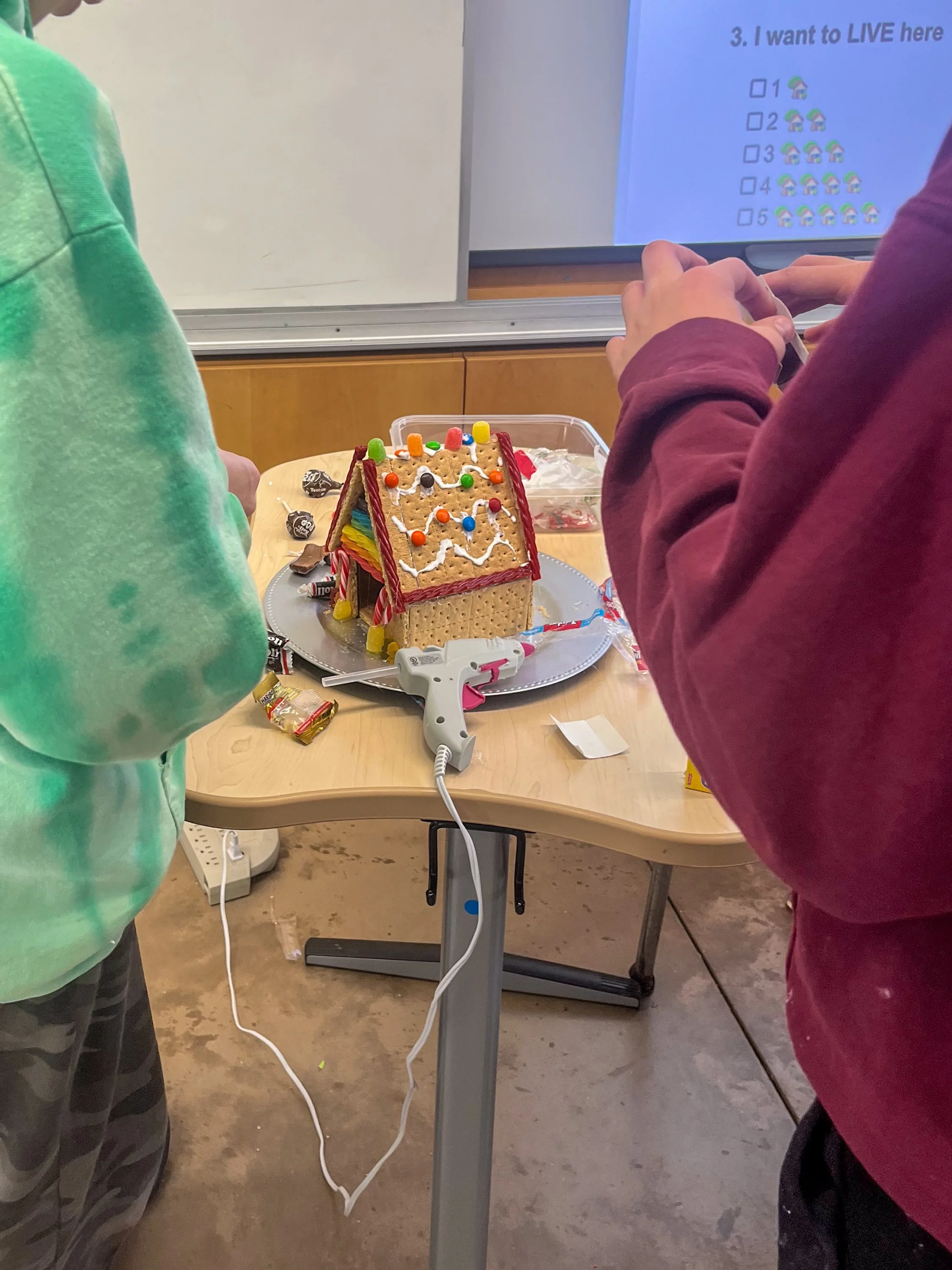
It was the Monday after Thanksgiving. There were exactly thirteen days of school before winter break would arrive and carry us into the new year. My seventh grade pre-algebra students, wistfully taking notes as I reviewed converting fractions to percents, were showing clear signs of boredom. Now well into my second decade of teaching, I had a pretty decent plan for this proverbial purgatory of the school year called December. We talk about markup and discount in the context of Black Friday and holiday shopping to learn how percentages work. Did it engage some of them? Sure. Did it help me show a real-life application of percents? You bet. But did it light a fire of excitement and wonder in my classroom, transforming those thirteen days into a celebration of learning with energy that rivaled the oncoming holiday season? Definitely not.
Enter the “Business of Constructing a Gingerbread House” group project. Using personal finance in a math classroom is a well-documented way to increase student engagement. Using candy, well, there’s no question that's a tool for grabbing kids’ attention. This project’s one-two punch of instant hooks made our two and a half weeks of math class fly by at lightning speed. And the best part? The students took away so much more than I ever anticipated.
Students were split into groups of 2-3 and assigned a single ingredient needed to build a gingerbread house (graham crackers, frosting, gum drops, candy canes, etc.). Each pair had to develop a business model for their product, including a business name, signage, and slogan. In order to sell their product, they first had to purchase inventory from me at wholesale using our own version of monopoly money - boar bucks (the boar is our school’s mascot). To turn a profit, each group then had to calculate a reasonable percent markup that wouldn’t scare customers away. Finally, since the holidays are a time for major sales, they had to offer a discount that kept them profitable.
With shopping lists in hand, each team bought their building supplies from the other “retail stores” and began construction. Discussions over what it means to have a monopoly quickly arose when the group selling graham crackers found they could raise their prices and still make sales. Meanwhile, groups selling gumdrops and candy canes took the initiative to offer flash sales; one group even ran an impromptu auction to garner business.
As their candy creations took shape, I noticed that several groups had opted to make commercial properties rather than residential. Santa’s Waterpark and the Frosty Motel stood out as places of business, compared to Chateau Snow, the Sweet Shack, and the Candy Cabin, to name a few. I quickly decided these dessert dwellings deserved more than just a fleeting moment on display in the classroom - they needed real estate listings!
With the help of our class’s first grade partners, who assessed each property based on “Edible Appeal” and “Living Appeal,” each sweet structure was priced according to its square inches and yum factor. While the houses themselves were ultimately disposed of (eaten), the seventh graders were pleasantly surprised to see each home "figuratively" sold after the new year, bringing in even more profit to cap off their initial investment. It was then, as the kids shared their final thoughts on the experience and offered thanks for letting them play with candy for two weeks, that I hit them with the final real-life application of the percentages we would be studying: commission.
Bradley Cooke
Upper School Math Teacher
Bradley Cooke is a middle school educator, former math department head, athletic coach, day camp director, math coach, and interventionist. After teaching both English and math, she has spent the past decade focused on 7th and 8th grade pre-algebra and algebra at both public and independent schools. A freelance artist, Bradley is known for her creative “Arts & Graphs” projects and a year-long financial literacy initiative, the Economic Experiment , which will be showcased at the NAIS Thrive 2026 in Seattle.