Curriculum Night – A Reflection
Making sense of math
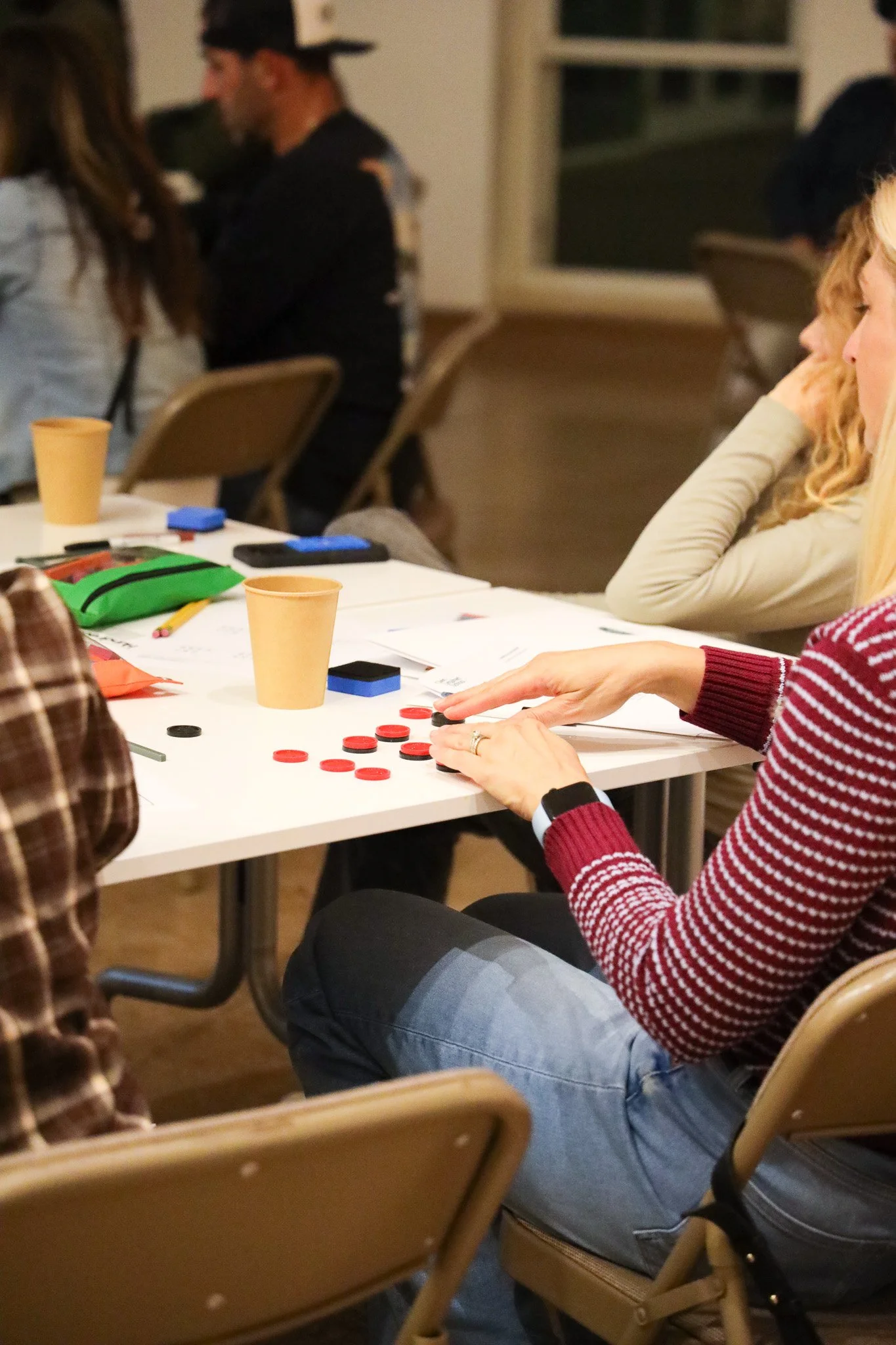
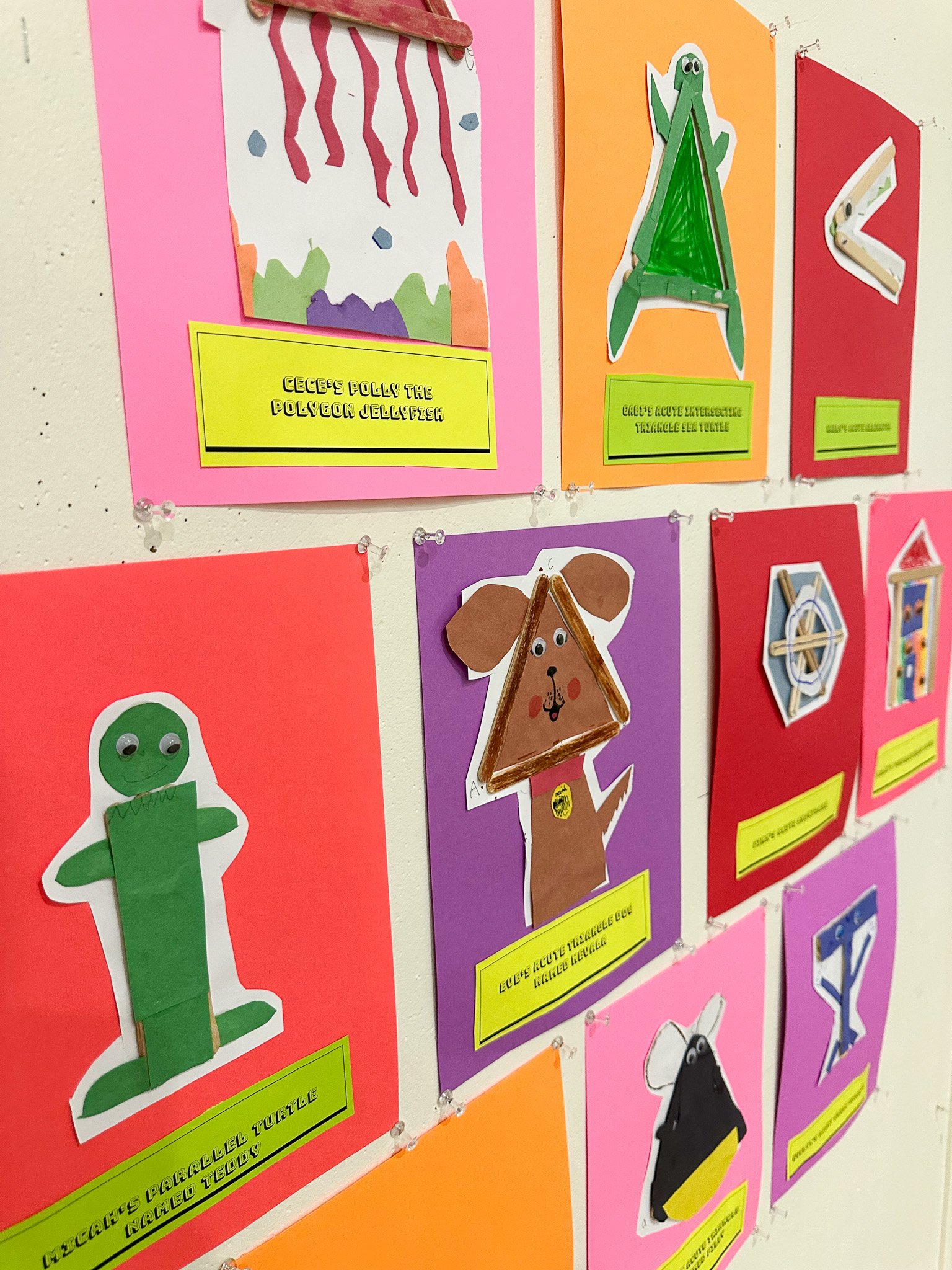
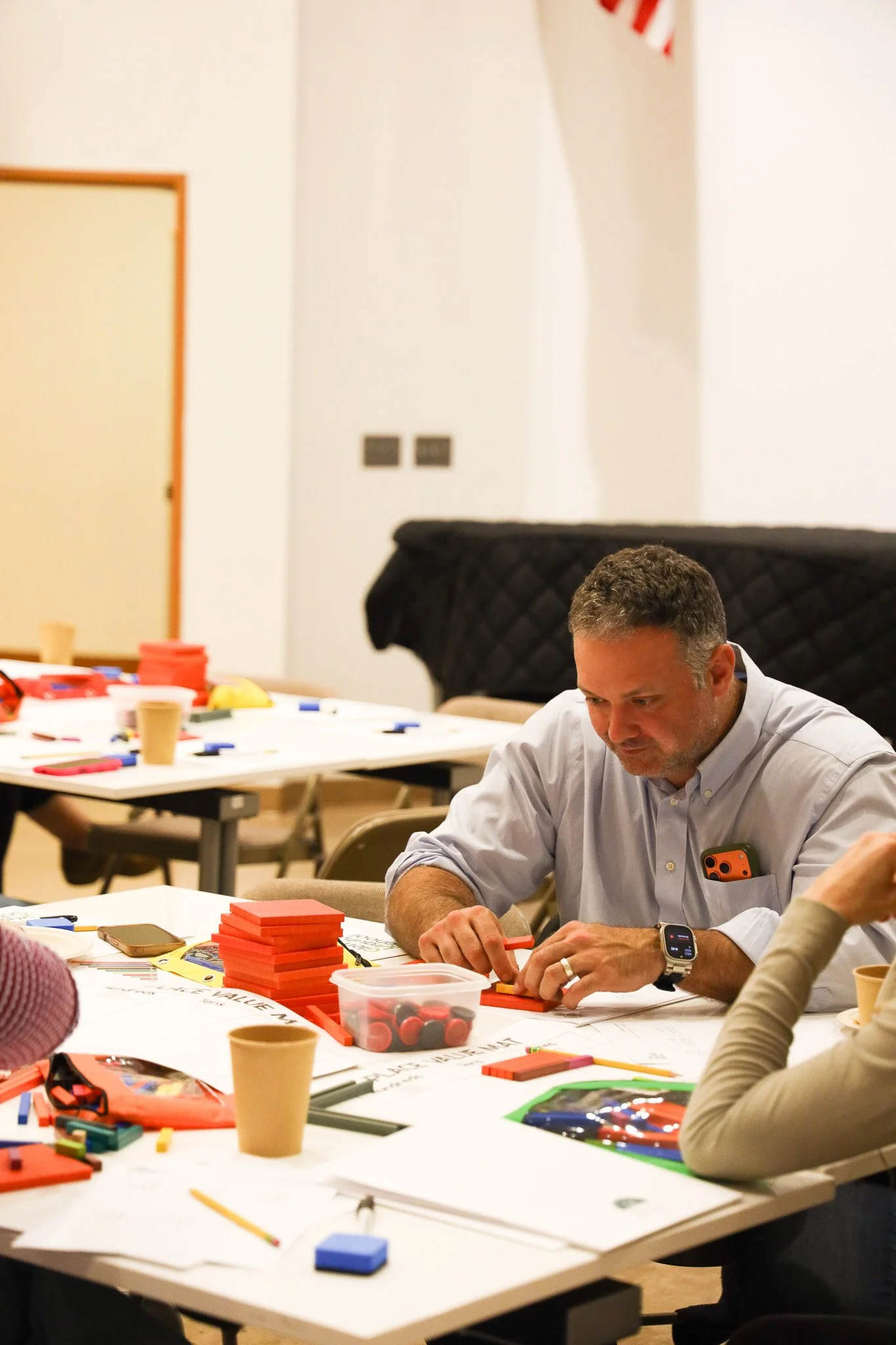
At Curriculum Night this year, families had the opportunity to learn about the valuable math instruction at Glen Urquhart School – giving insight into what and, more importantly, how their children are learning. Much like the curriculum at GUS is hands-on and experiential, so too was Curriculum Night!
Math at GUS starts with a simple but powerful belief: all students can be successful in mathematics. At GUS, we know that with the right foundation, opportunities to explore, and encouragement to build solutions, every child can tackle increasingly complex challenges – mathematical and otherwise.
And it all starts with a spark of curiosity.
“Some of the first games that children learn to play are math-based – puzzles, building blocks, cards – and they love it! Let them think. Let them reason. Let them figure it out.”
It’s about discovery
Math is about more than just memorizing facts, following formulas, or getting to the right answer. Students are encouraged to explore different strategies, ask questions, make connections, and understand why mathematical concepts work.
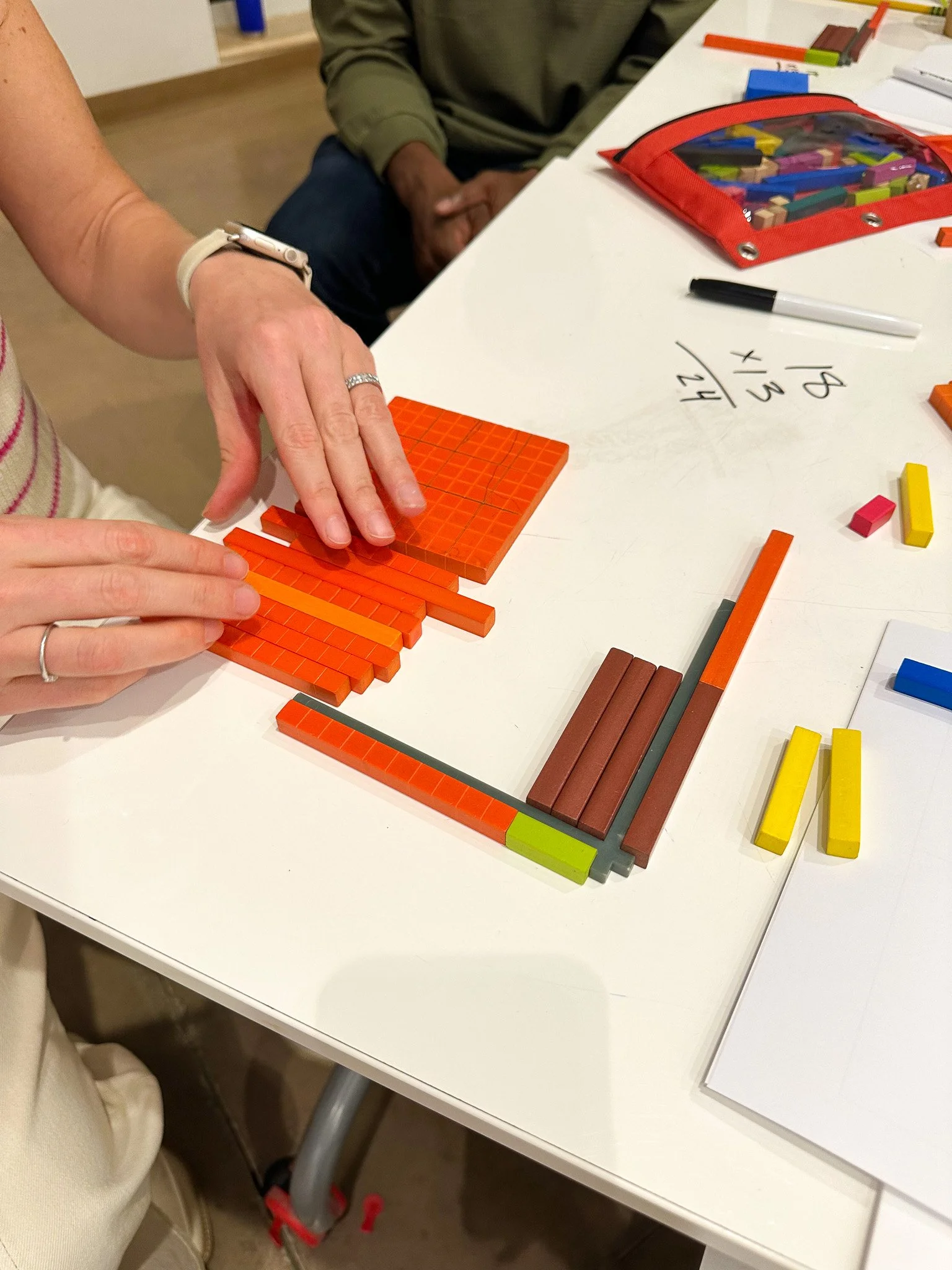
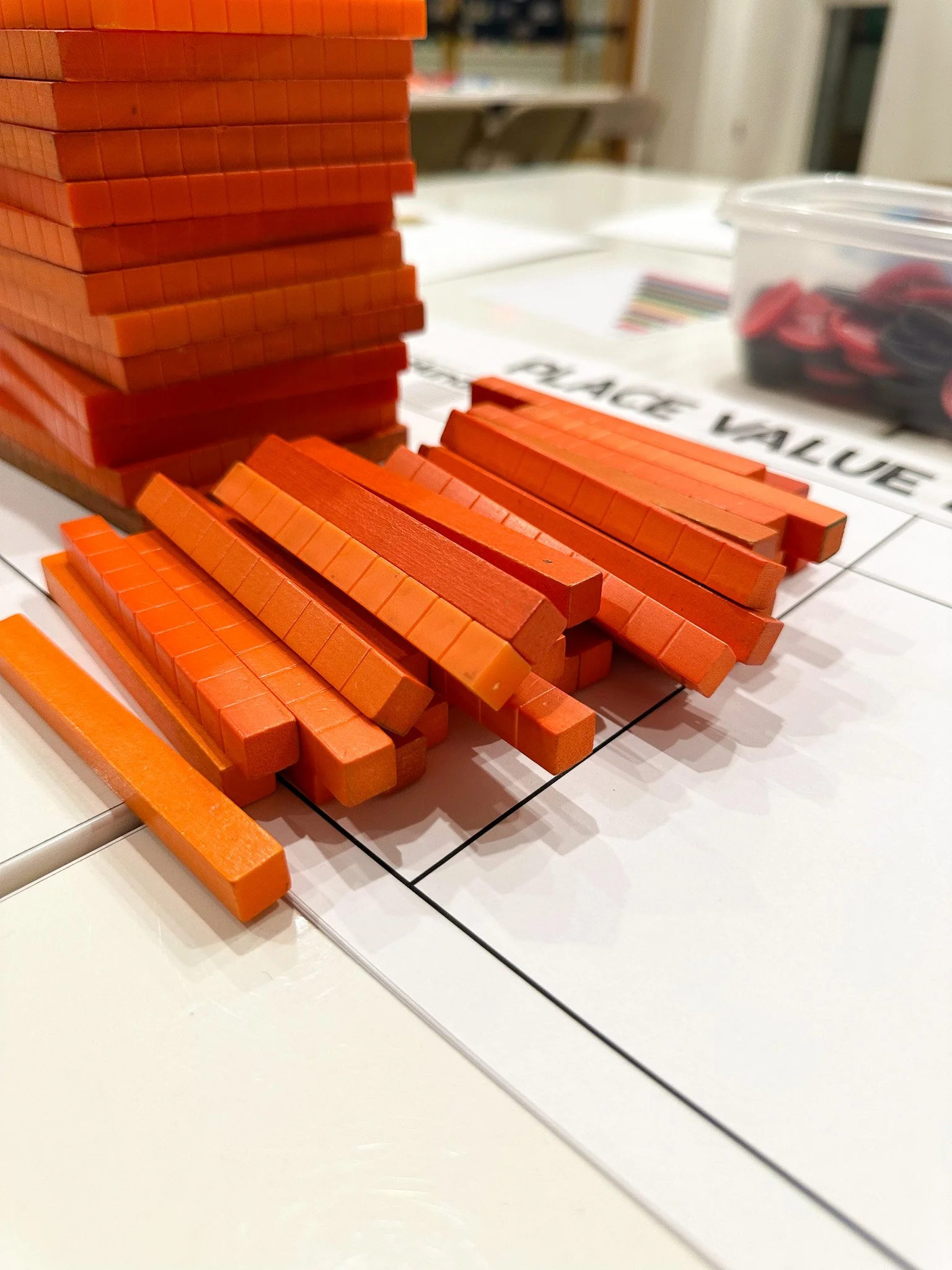
Take Cuisenaire rods, for example. These colorful blocks representing differing values 1–10 help students explore numbers, fractions, patterns, and relationships. Students physically build algorithms, constructing their understanding of concepts before moving on to numbers and symbols. Imagine using rods to build the partial products of a double-digit multiplication problem. Students at GUS physically construct these solutions, thereby internalizing mathematical processes with a much deeper and more authentic understanding. As students progress through the grades, they revisit Cuisenaire rods with increasingly complex scenarios like expressing quadratic polynomials – using the very same area model students practice with double-digit multiplication.
Once students understand the underlying math, learning procedures and algorithms become much more meaningful. They're not just memorizing steps, they’re understanding what those steps are doing. It's an intentional progression from understanding why something works to knowing how to apply that understanding – and doing so with increasing flexibility, fluency, and confidence.
Curricular strength
The GUS math curriculum spans four interconnected areas
numbers + number sense
patterns, functions, relations, and algebra
geometry + measurement
probability, statistics, and discrete mathematics.
Across all of these areas, and at each grade level, the goal extends beyond mastering specific skills. Students are learning how to think mathematically. They are asked to explain their reasoning, defend their answers, listen to different approaches, and recognize that there may be more than one way to solve a problem.
“Let them use their brains. They want to use their brains.”
By giving them the space and tools to wrestle with a problem, make mistakes, and discover solutions, we help them become independent, resourceful, and confident thinkers.
When students understand that mathematical ability grows through practice, exploration, and discovery, they willingly take risks and embrace challenges. That's the foundation that prepares them for increasingly advanced mathematics – and for problem solving well beyond the classroom.
As such, GUS graduates enter high school with a strong mathematical foundation, often placing into 10th-grade math, including Geometry and Honors Geometry.