Whales + Whaling in Alaska
“We got a fabulous flipper hello from a humpback whale.”
Whales + Whaling in Alaska
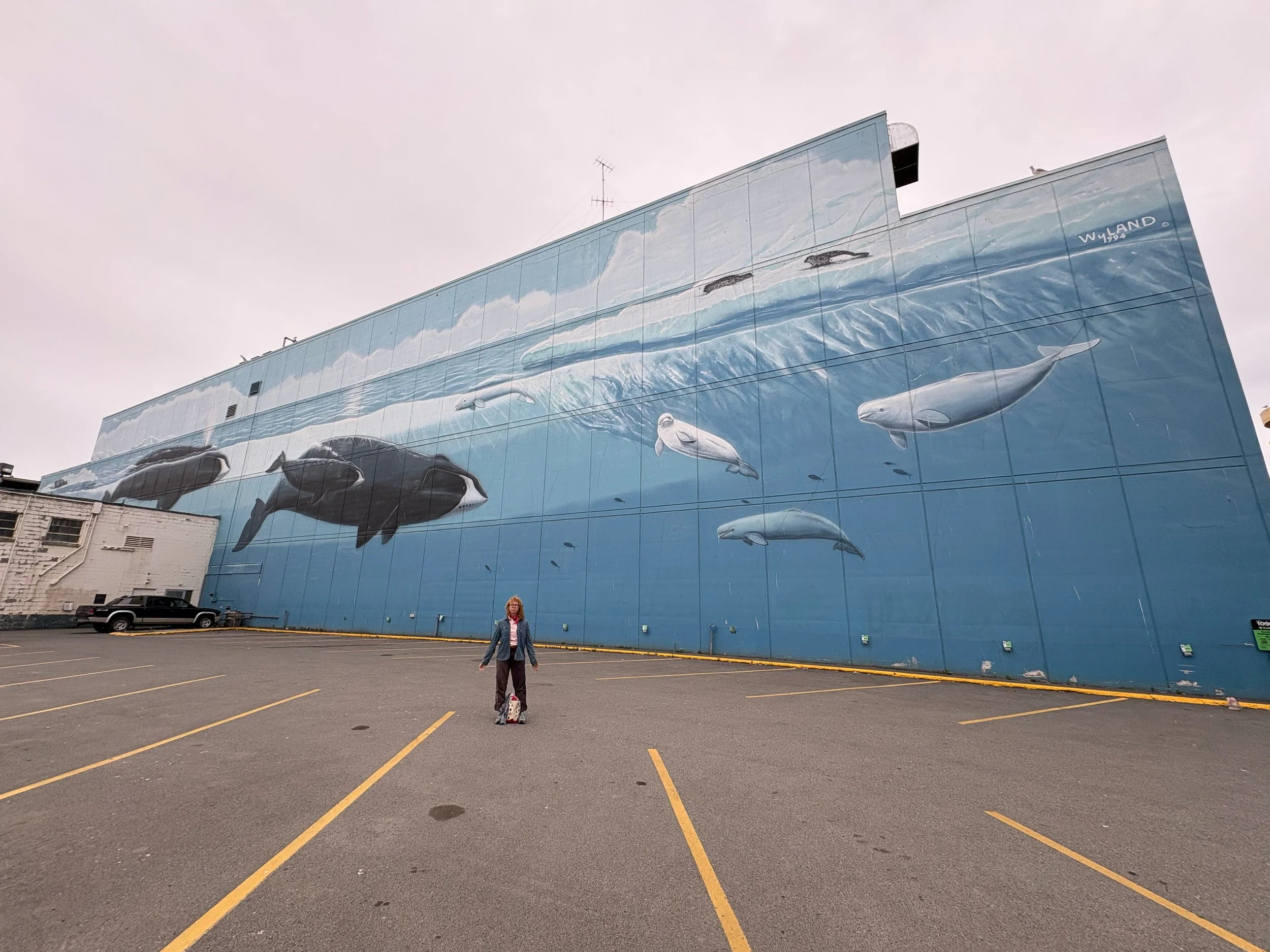
Studying whales is an integral part of the fourth grade experience at GUS. As part of our theme “The Sea,” students study animal classification and types of aquatic mammals (order cetacean), research the history of the New England whaling industry, and study scale in math while painting scale-model whales. Thanks to the Whalemobile, we step inside a lifesize blow up whale to learn and review in more detail its anatomy and physiology. We practice nonfiction reading and note taking skills as we learn about bowhead, humpback, sperm, gray, and right whales. We connect the history of the whaling industry to our traditional lighthouse project as we better understand how whale oil powered lighthouses in the 19th century. And, even during the pandemic years, we participated in whale watches out of Gloucester Harbor when so many other immersive trips and experiences were unavailable.
In late spring, our year culminates with two important GUS traditions: the first overnight trip to Mystic Seaport, a traditional Yankee whaling seaport adventure, and Songs and Tales of the Sea, a performance that grows every year, including sea shanties, poetry, history, drama, concertina-playing guest singers, and dance! Fourth grade students remember these projects and experiences, centered on the science and history of these majestic leviathans, for years beyond our classroom.
I have dreamed over my years at GUS about the generosity of the Tadler Grant for teachers and about the possibility of exploring our fourth grade theme, “The Sea,” in a deep, meaningful, and innovative way. Having taught students about the migration patterns of whales, I knew that if I wanted to see and learn more about them in the summertime…Alaska was the place to be!
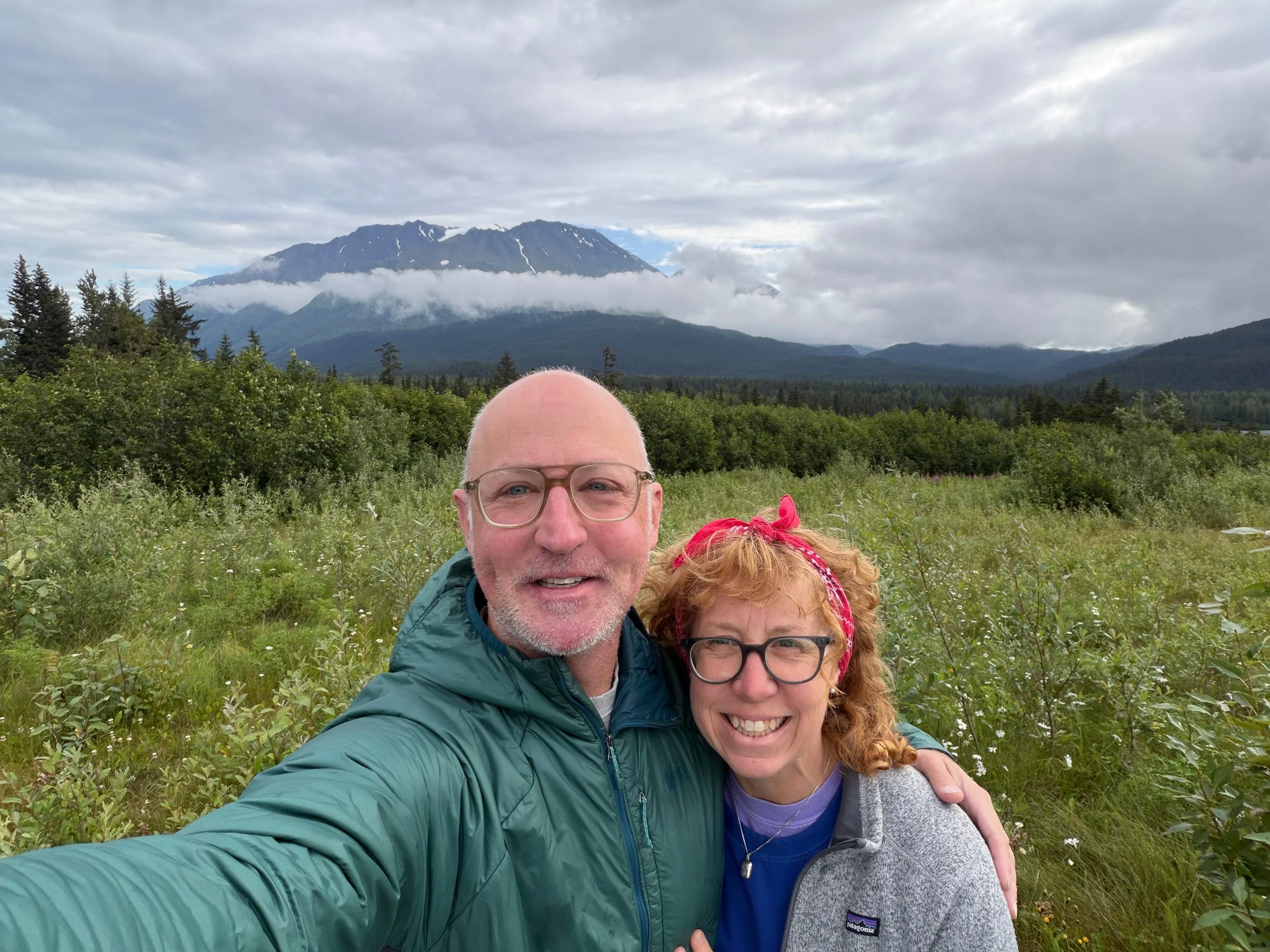
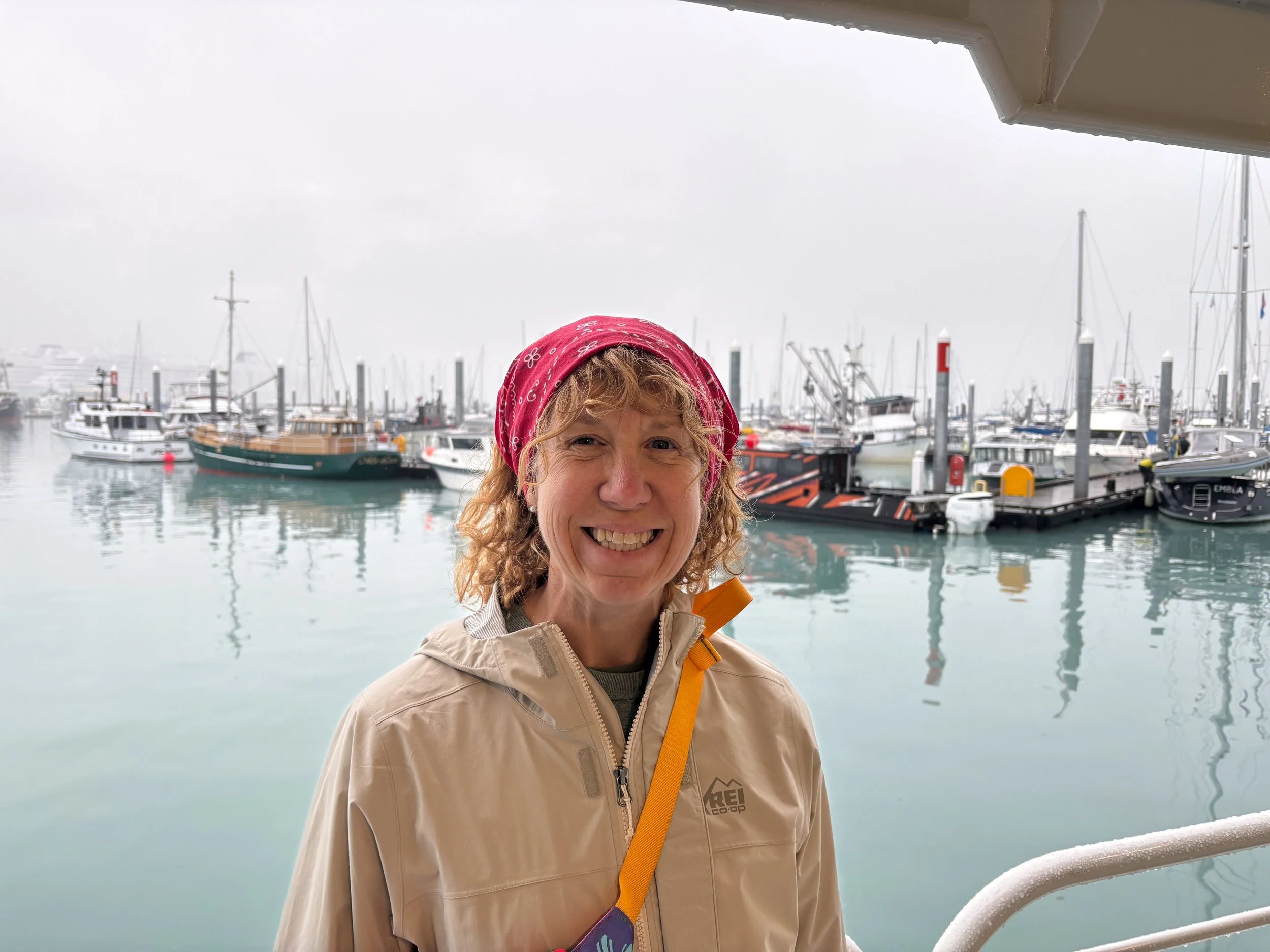
And this August, thanks to Richard and Donna Tadler P’05, ’09 and the Tadler Grant, my husband and fellow GUS teacher, Chris Doyle, and I embarked on our Alaskan adventure. From August 1–8, 2026, we explored museums, marine research centers, coastal communities, and the wilderness of southern Alaska, returning home with new knowledge, fresh classroom ideas, and a deeper appreciation for the natural world.
Anchorage, Alaska
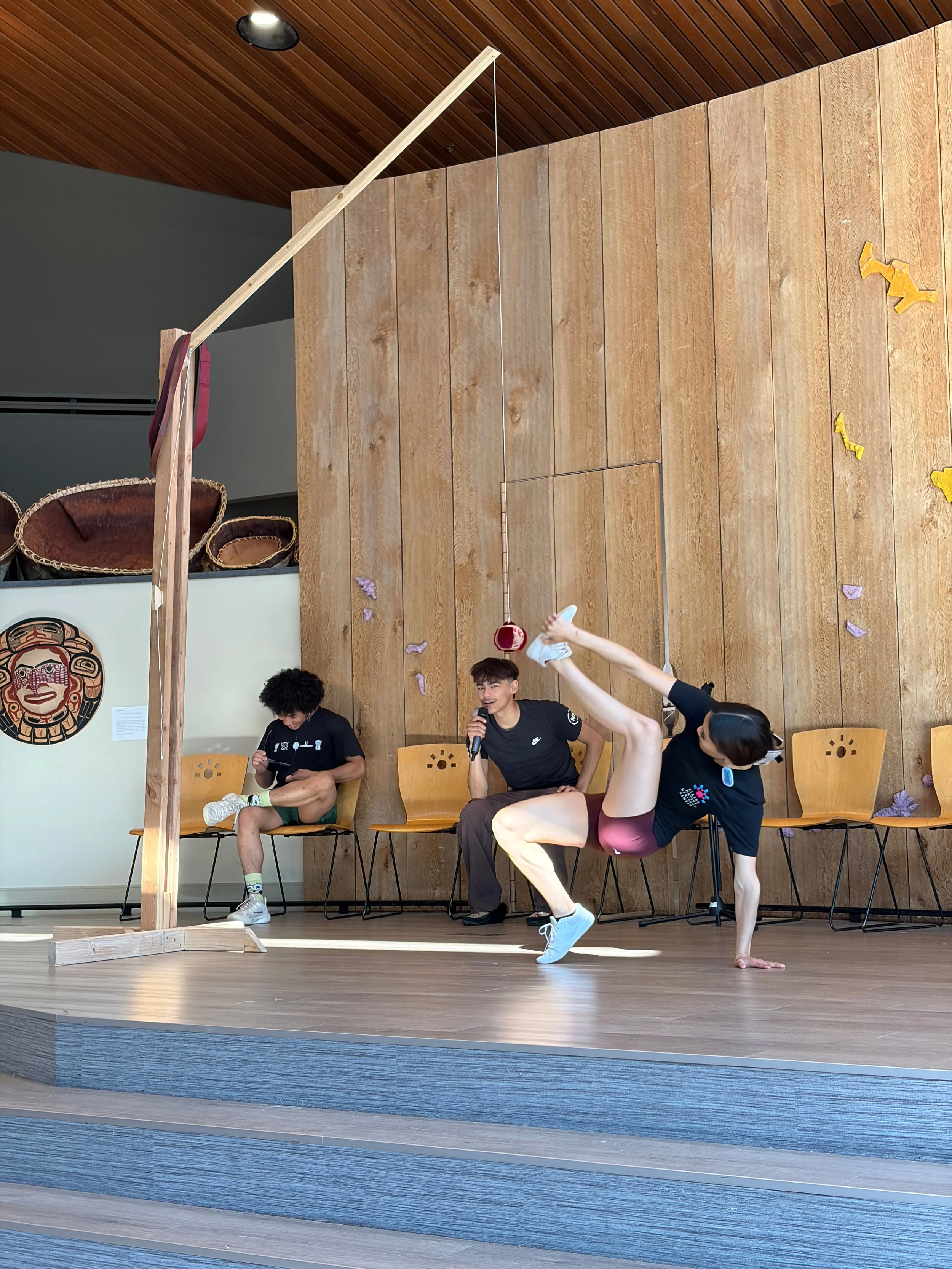
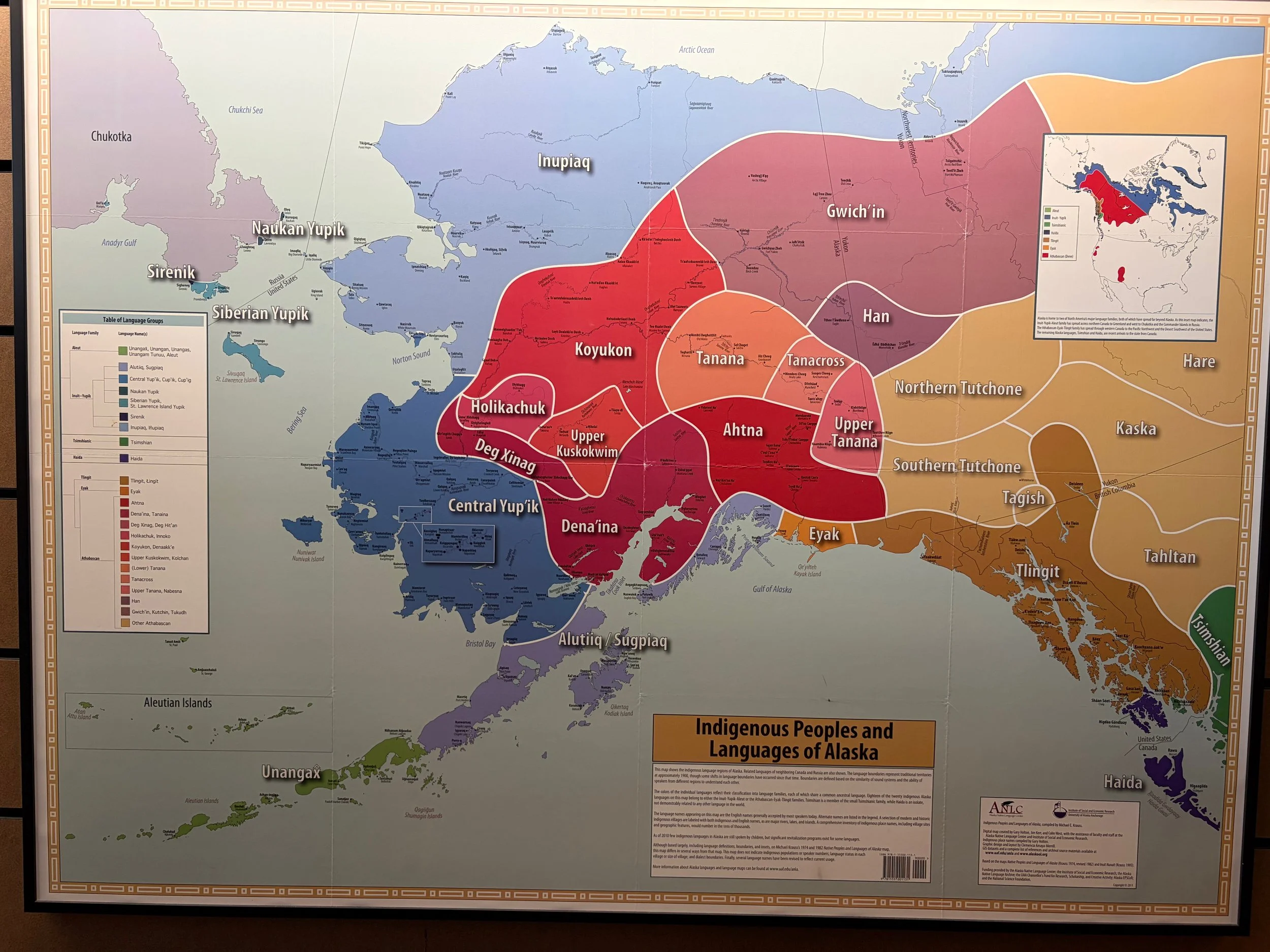
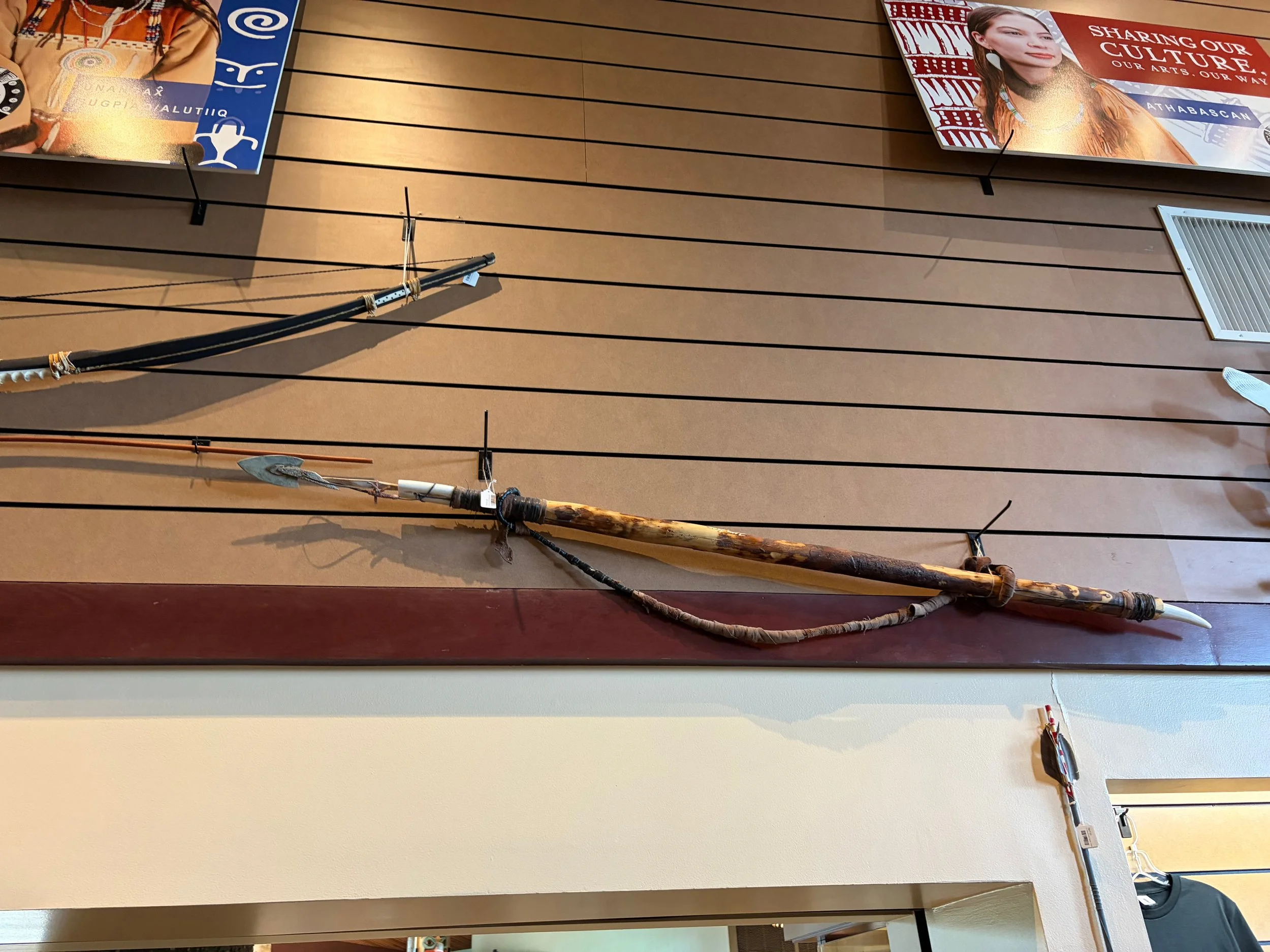
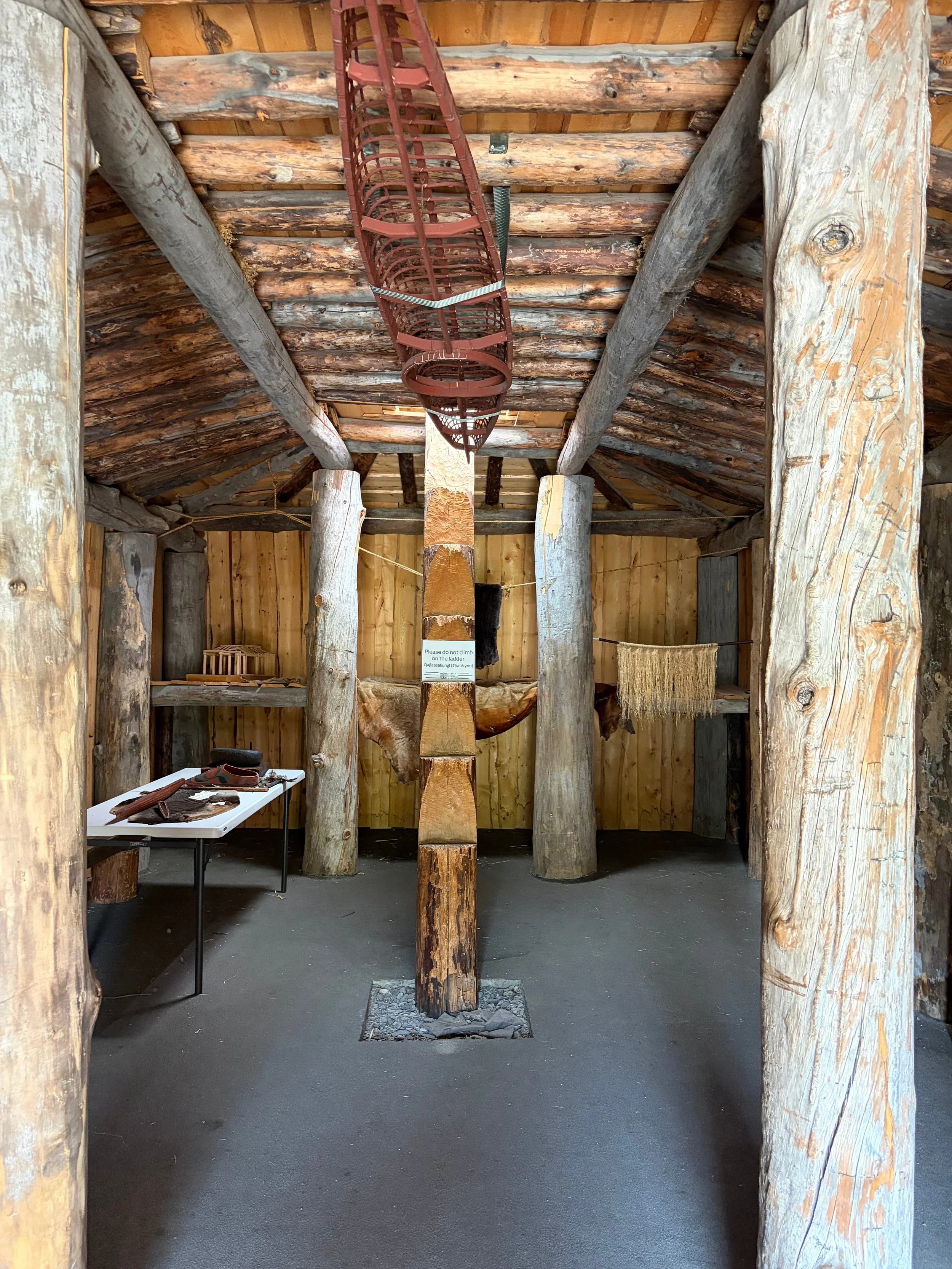
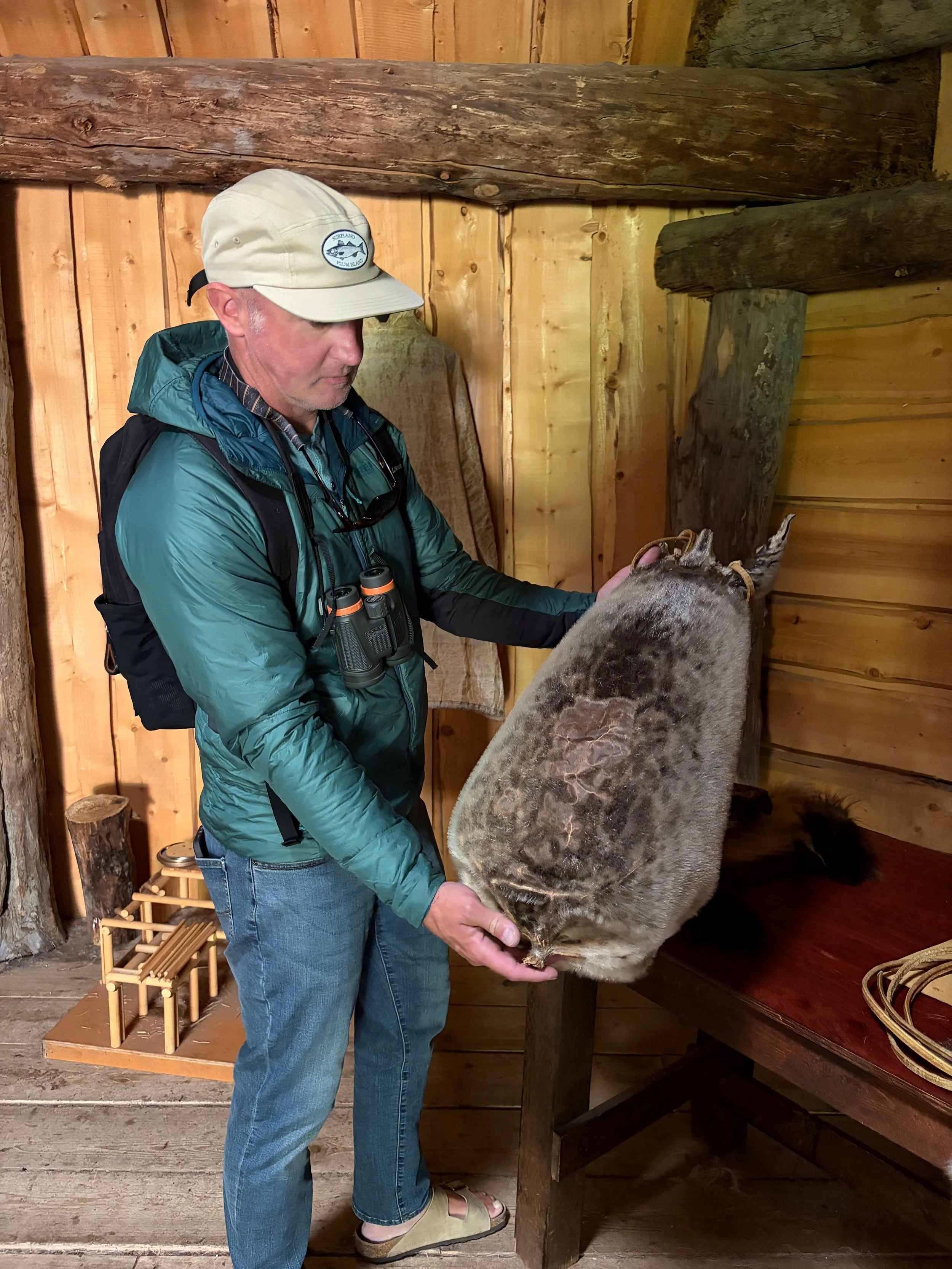
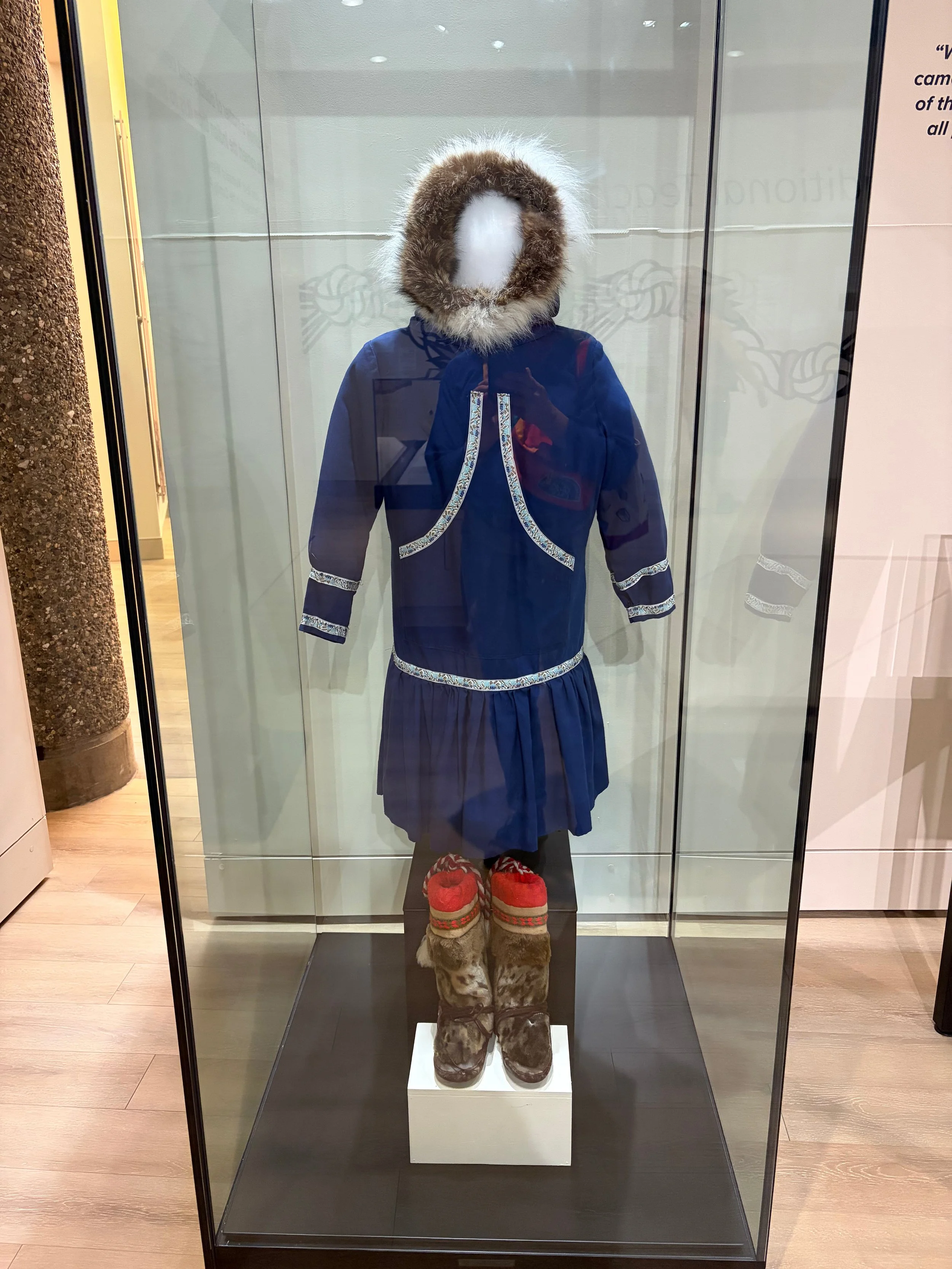
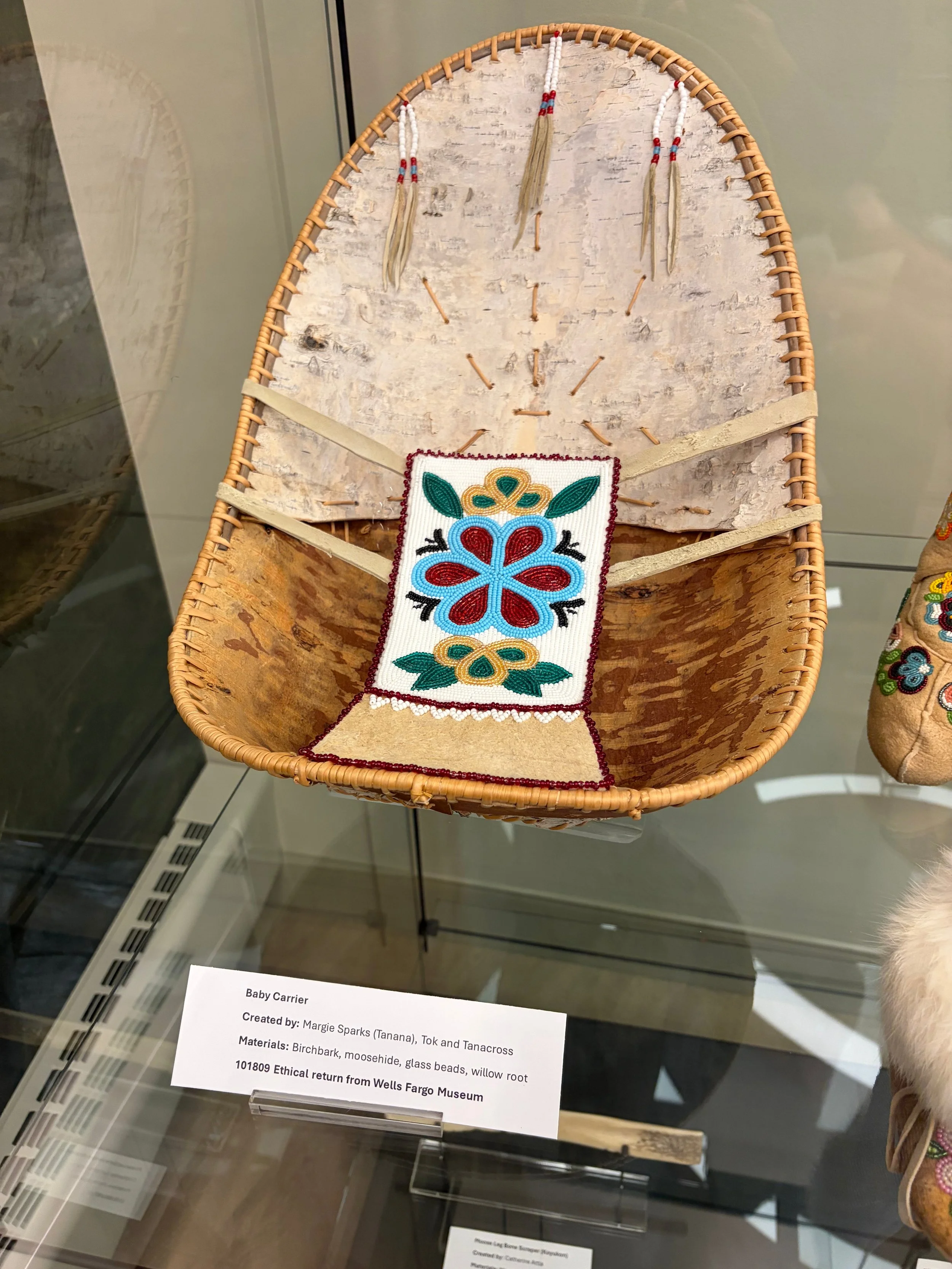
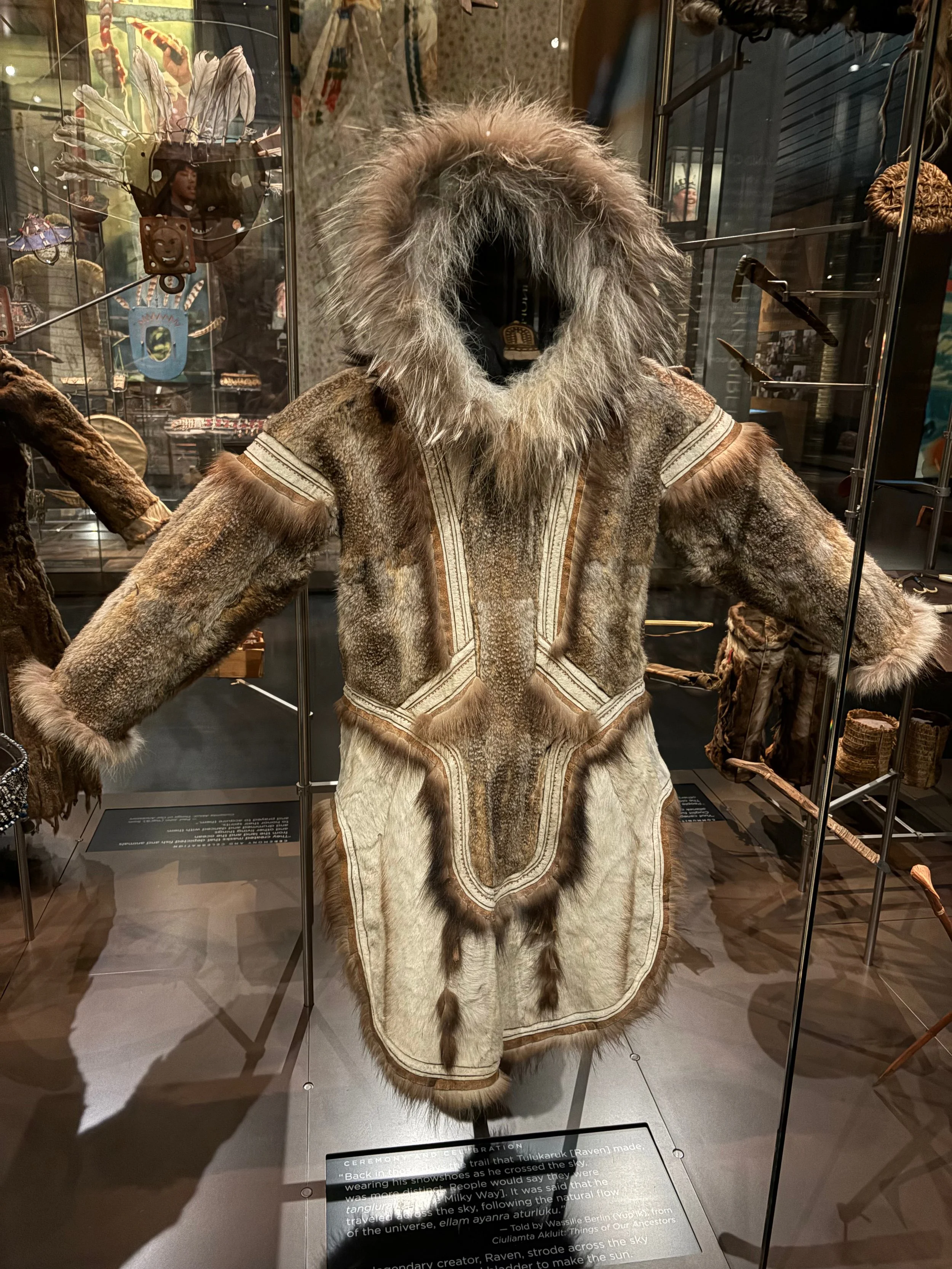
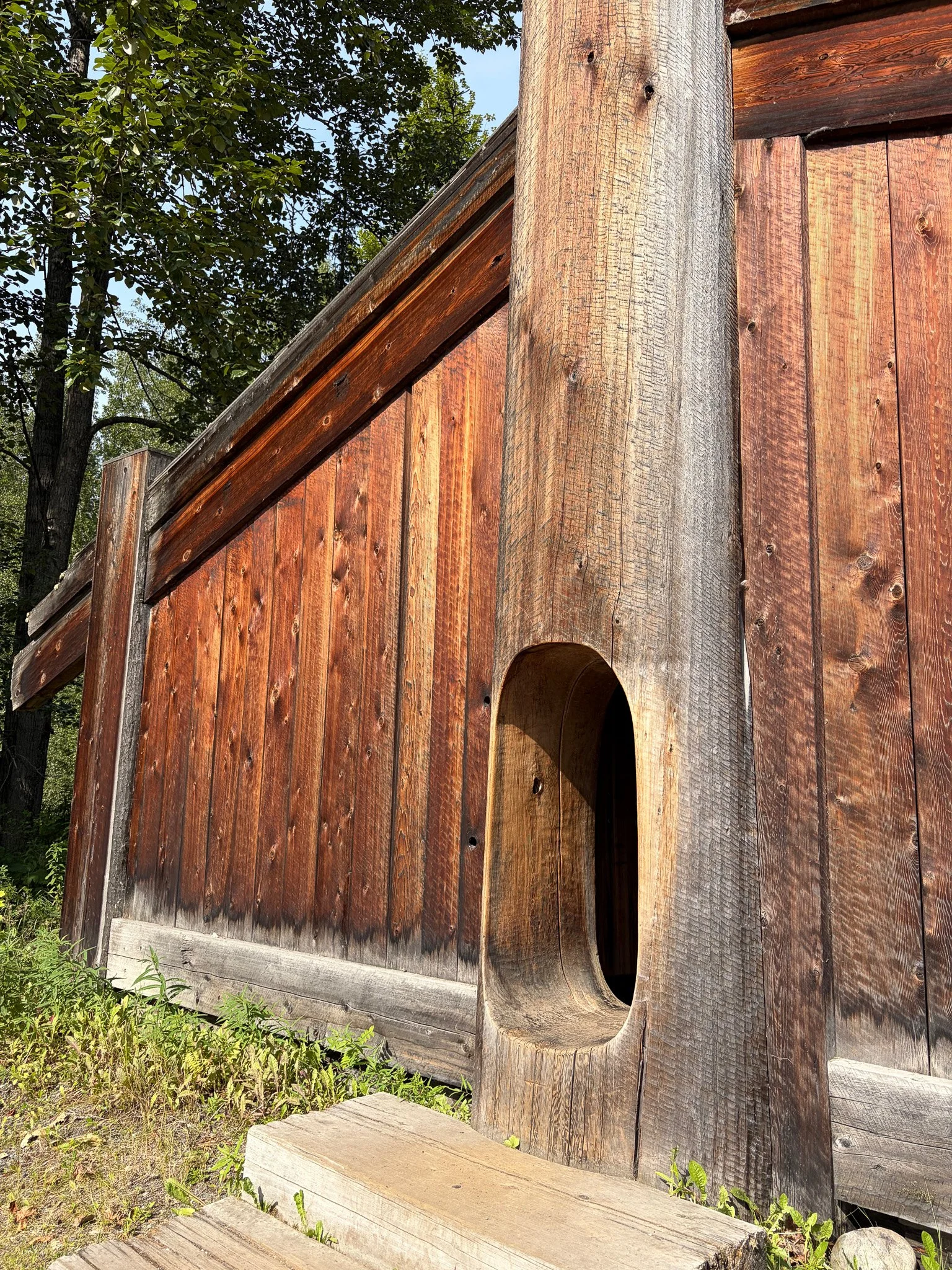
We began in Anchorage, packing the first two days with an incredible amount of new knowledge and curricular ideas. Day one was spent entirely at the Alaska Native Heritage Center where I viewed Native Alaskan dancing and games presentations; spoke with Native Alaskans about whales, sea otters, seals, and whaling; and toured typical Native Alaskan homes from across the state. One of the most impressive things about this fantastic museum was that our tour was led entirely by two knowledgeable, inspiring high school interns. Young interns also presented the Native games, which immediately turned my thoughts to our own Songs and Tales of the Sea tradition – get ready for some added components this year! Perhaps you’ll see a fourth grader running and announcing that our class has caught a whale by doing the “two-leg kick!” There is so much to learn about the history and culture of the Native Alaskans, and this museum provided an amazing day and hopefully a long-term connection for the future.
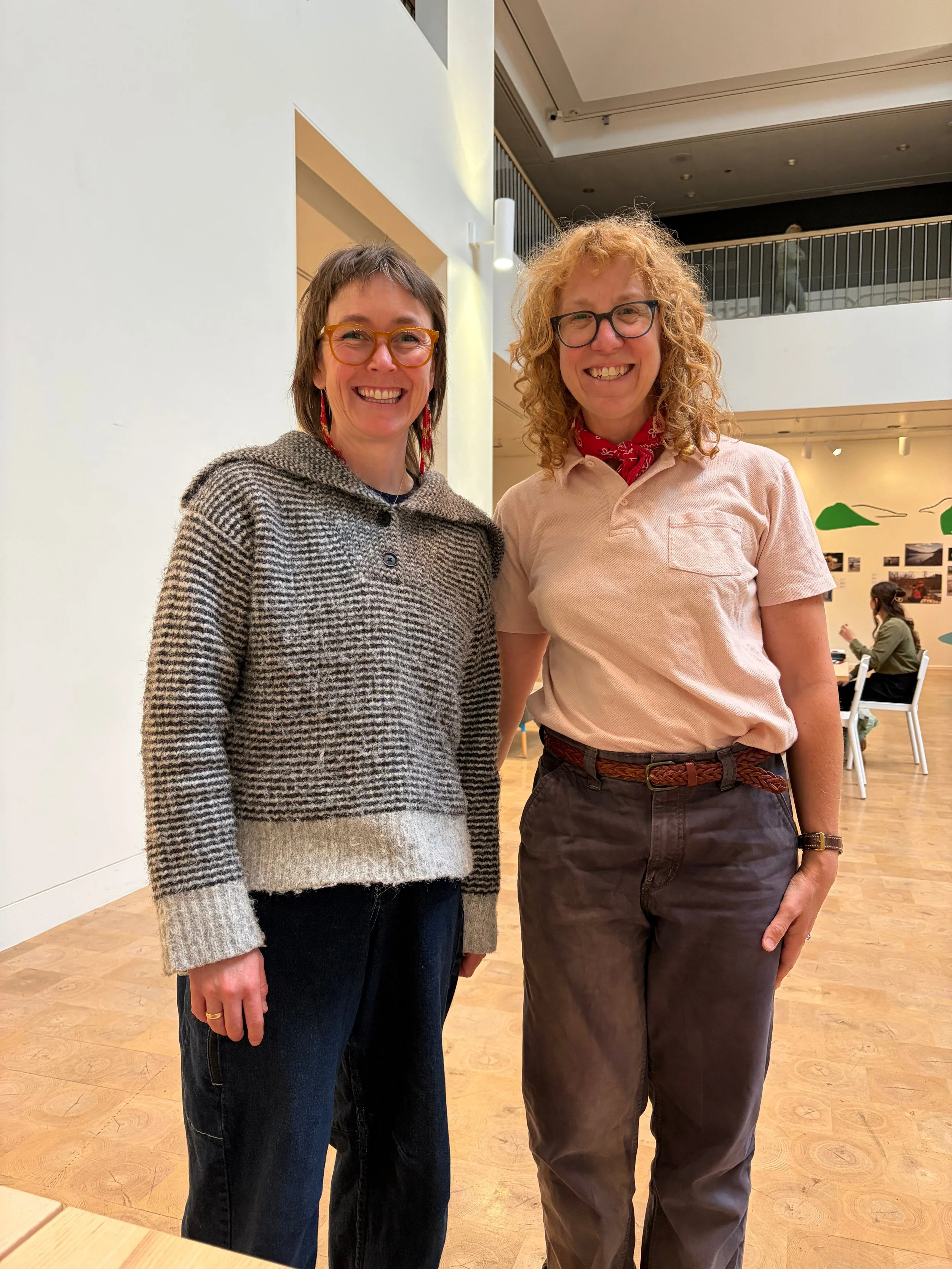
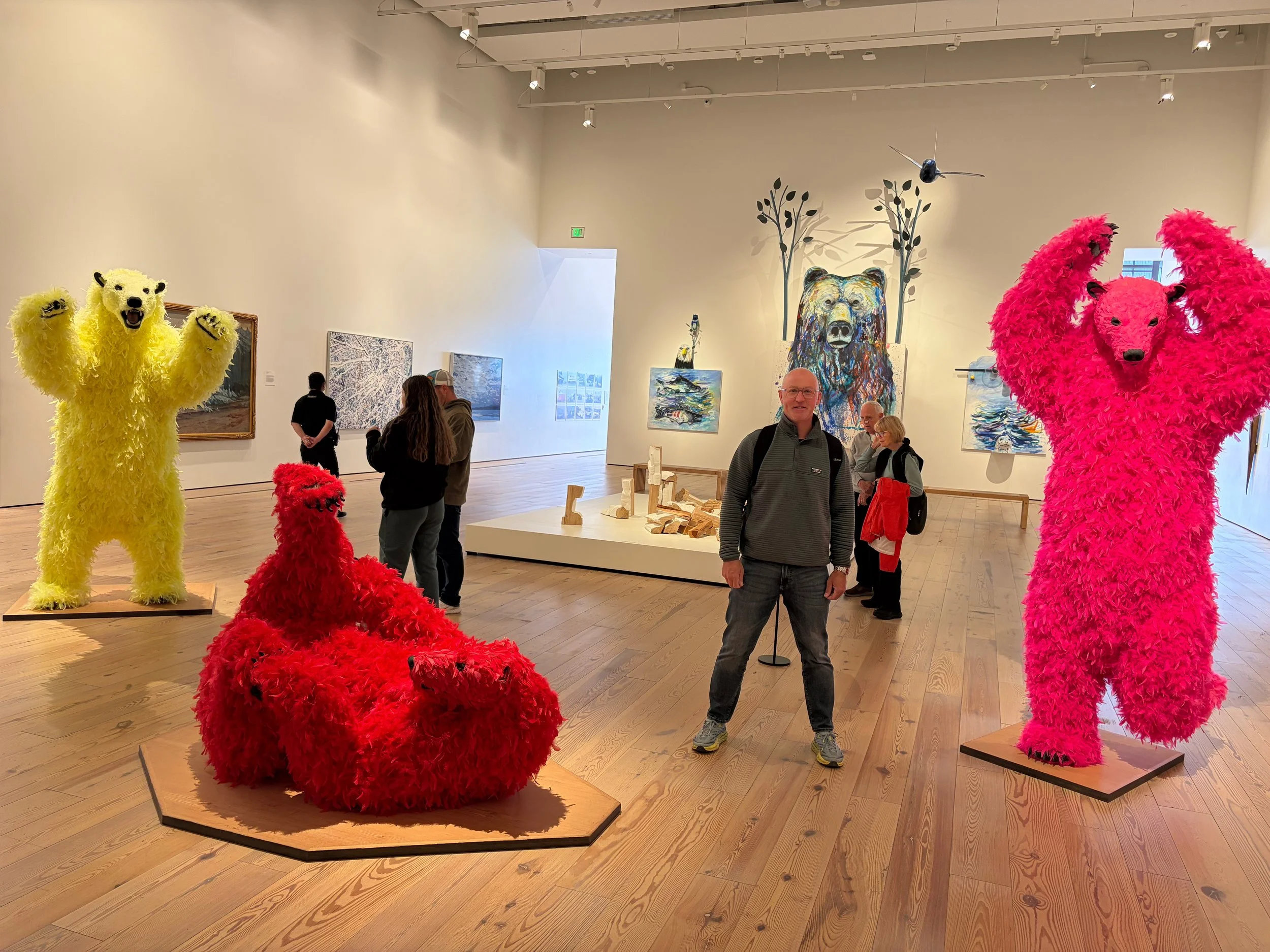
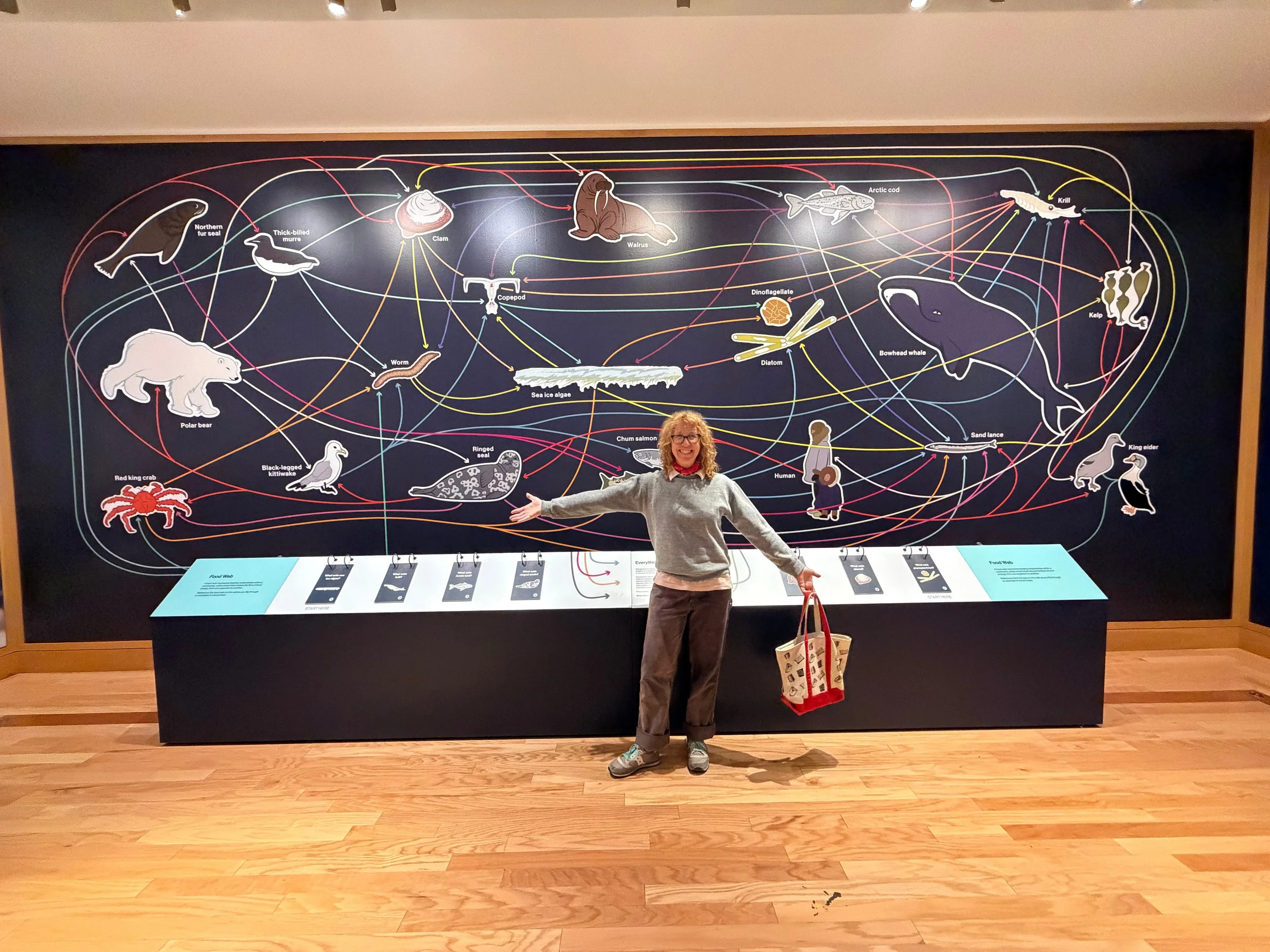
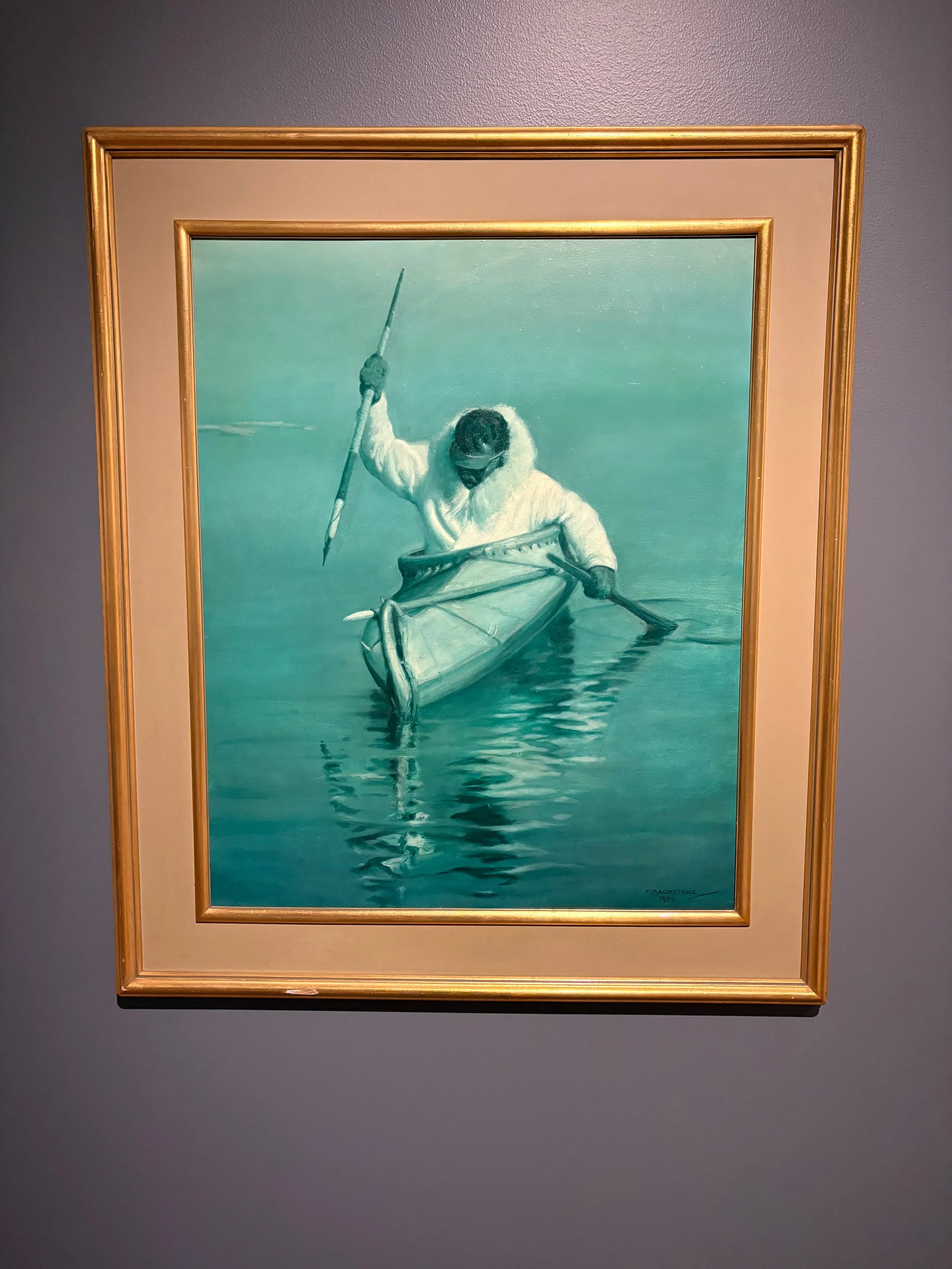
Day two in Anchorage continued with more learning and contemplation about the many connections between the North Shore of Massachusetts and Alaska. Thanks to a family connection, I met with Erin Marbarger, the Senior Director of Education at the Anchorage Museum. Erin’s generosity with her time and knowledge was so appreciated, and I came away with many, many ideas for art projects and analysis, science labs and explorations, and more. We are already planning a virtual field trip to the museum for this year’s class! The museum was fantastic to explore, but by the end of the day, Chris said it best: “I love seeing the beautiful paintings of Alaska, but now we need to go see it!” And he was right!
Seward, Alaska
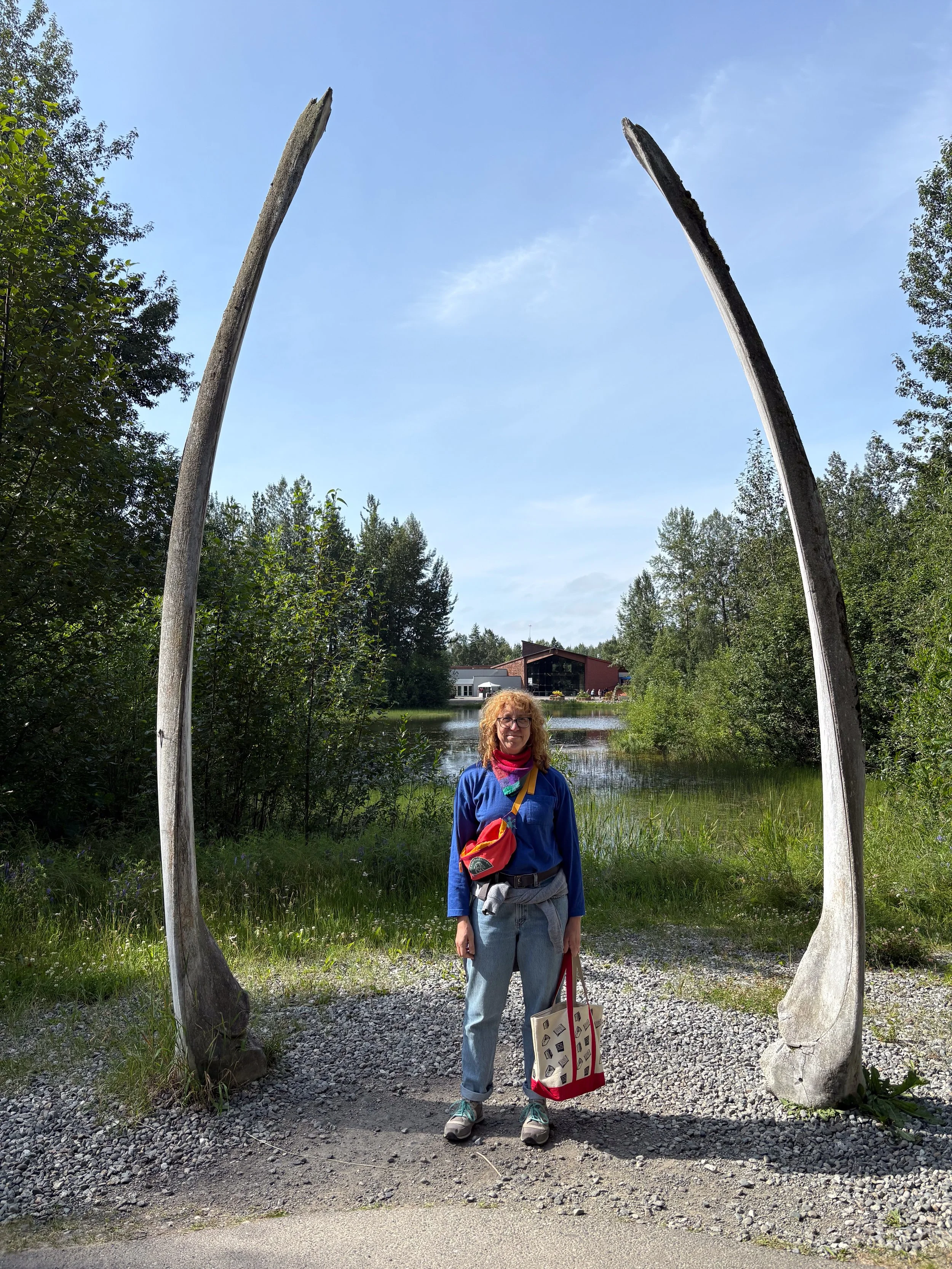
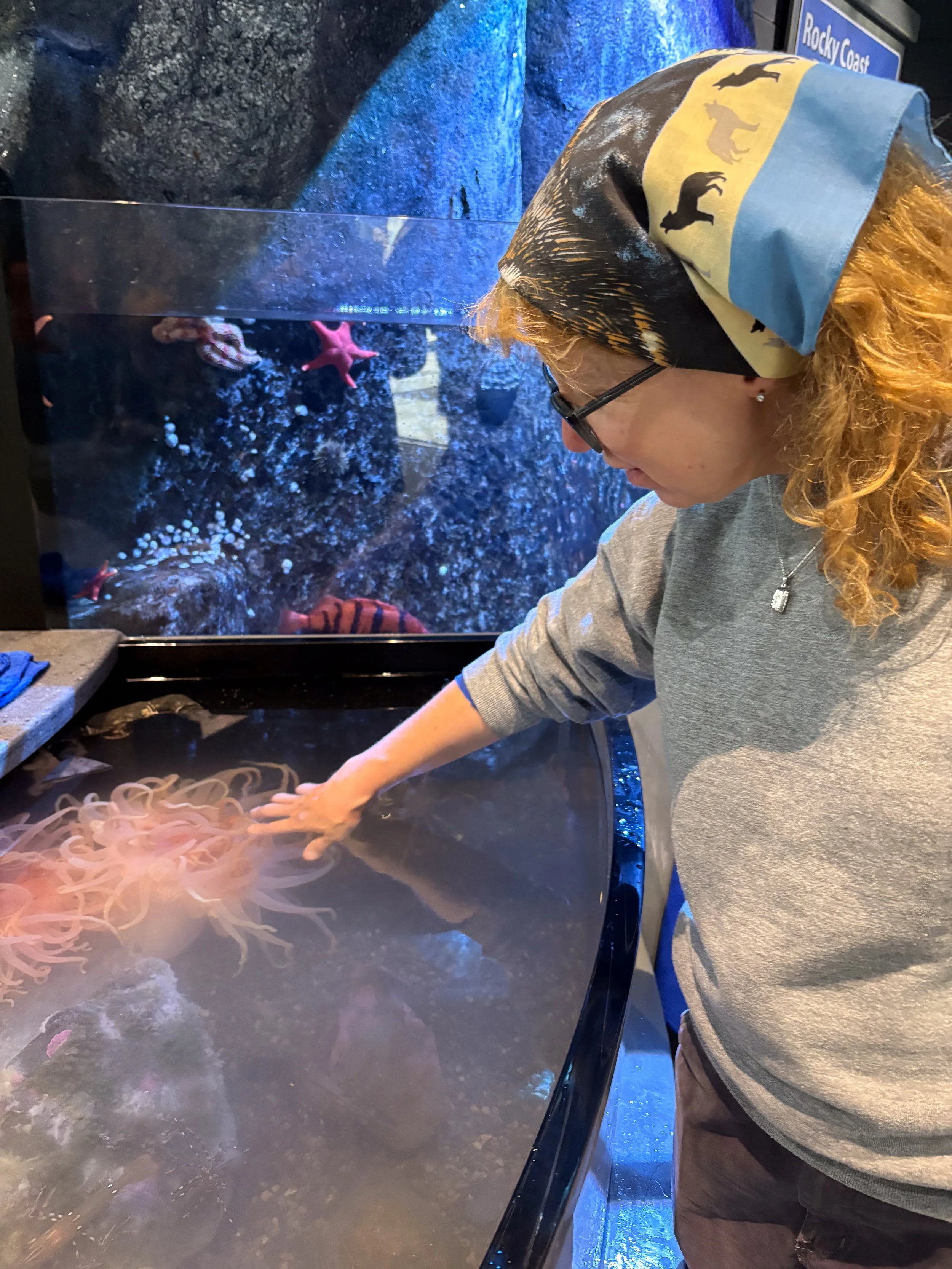
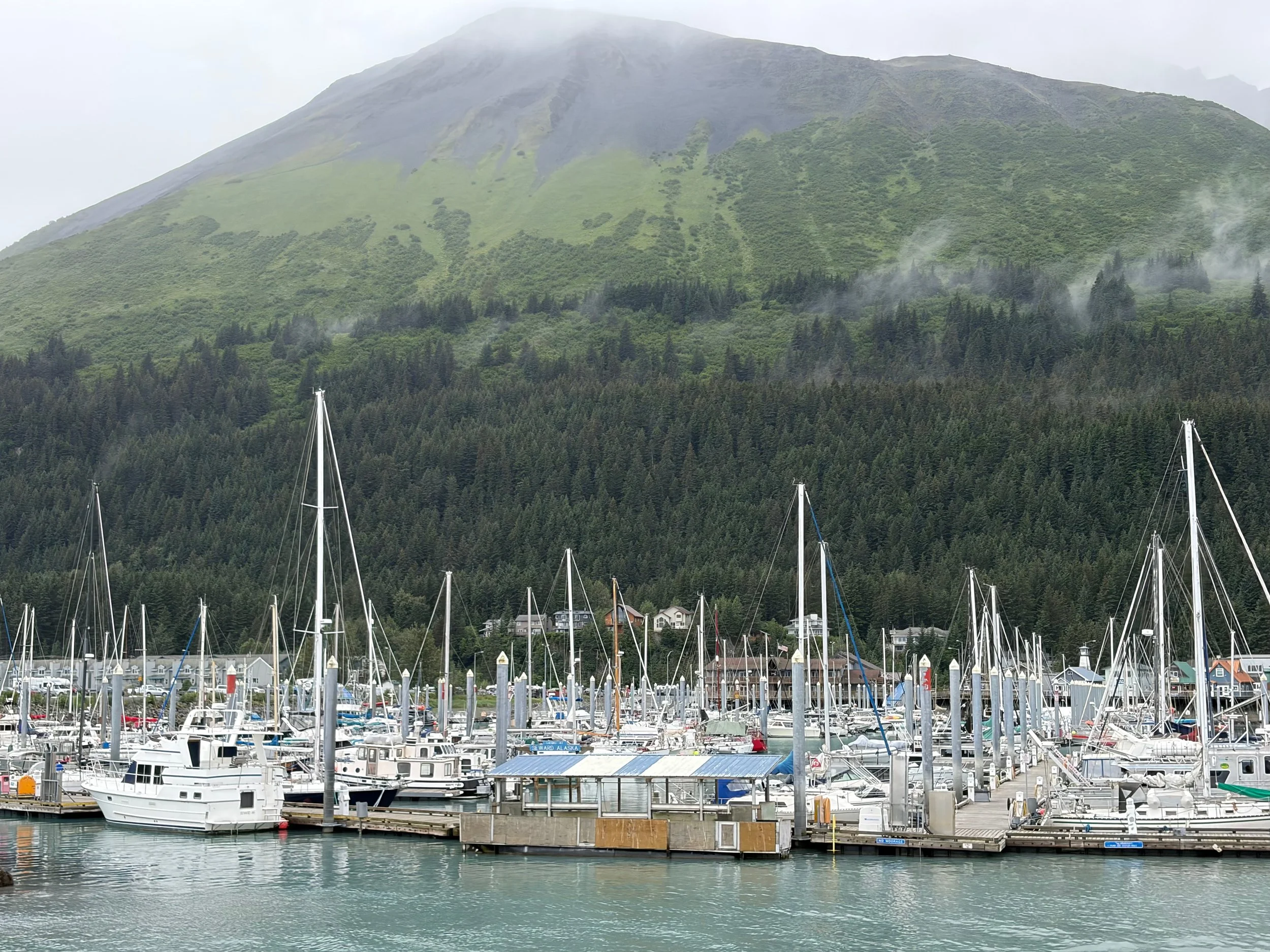
Our travels continued on to Seward, a small fishing town south of Anchorage. There, we visited the Alaska SeaLife Center, a wonderful aquarium and marine research + rescue center. Along the edge of Resurrection Bay, we spotted sea otters playing in the water and visited the Seward Mariners’ Memorial – a connection to our own Gloucester Fisherman’s Memorial, visited annually by fourth grade.
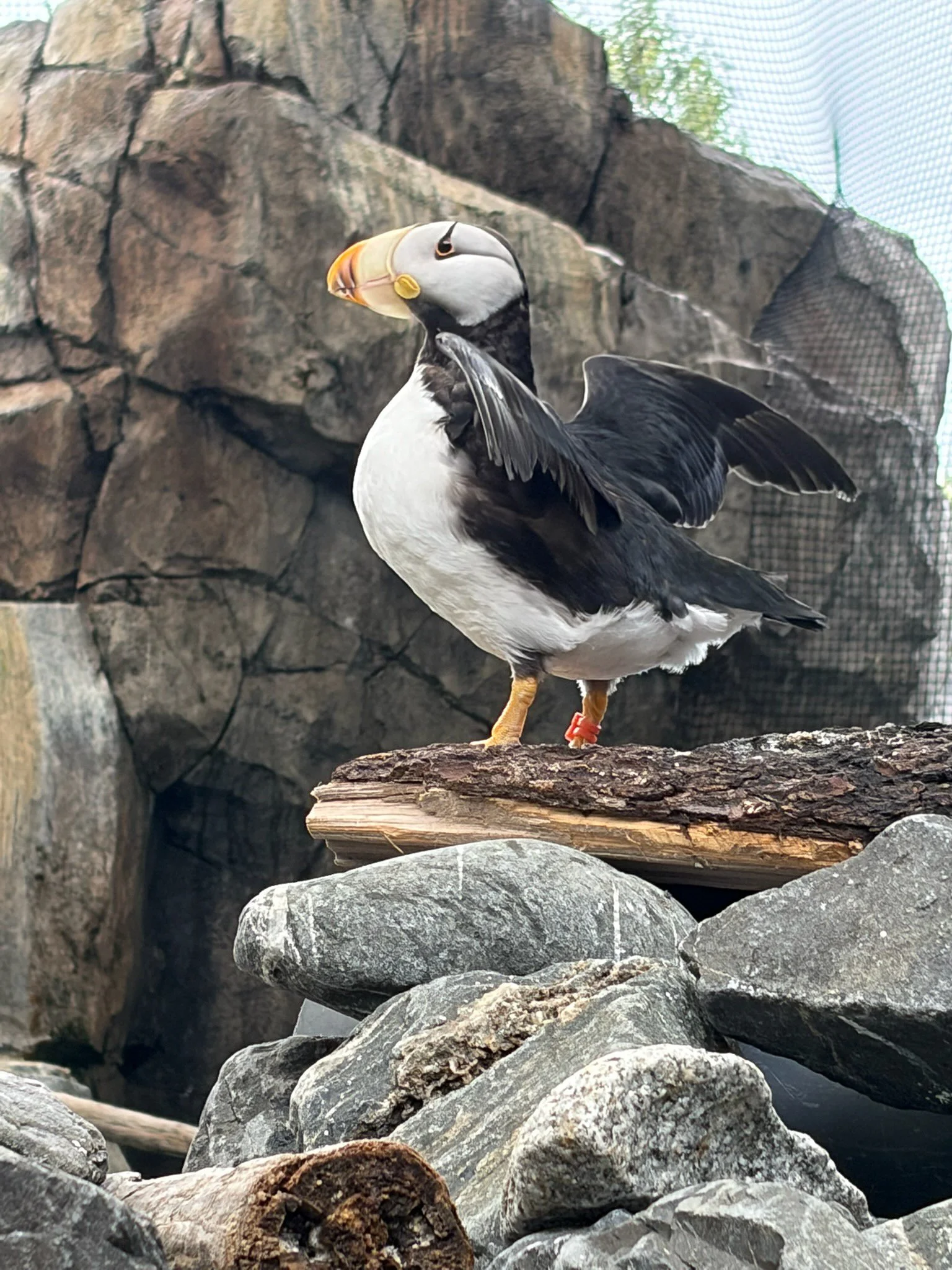
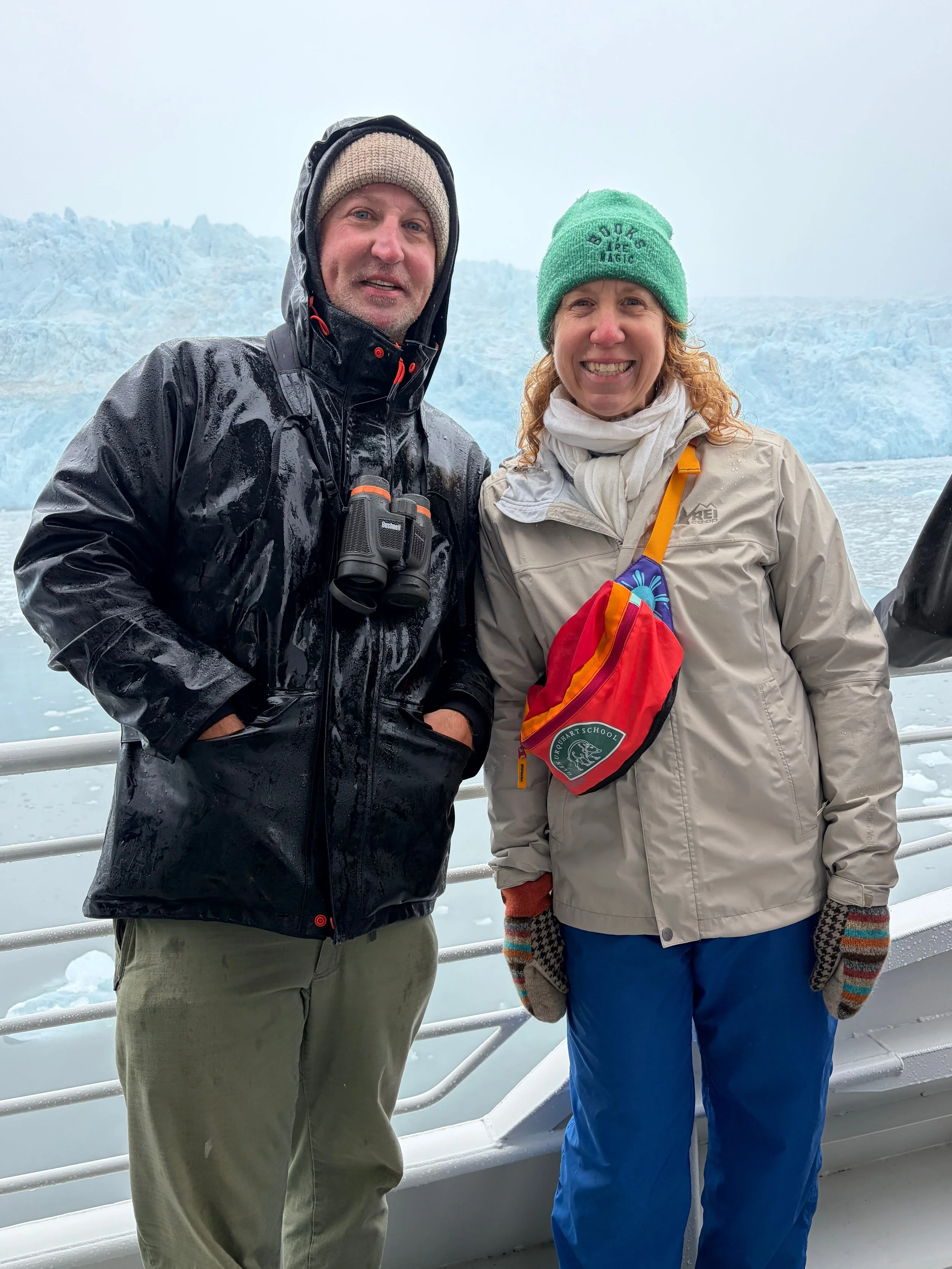
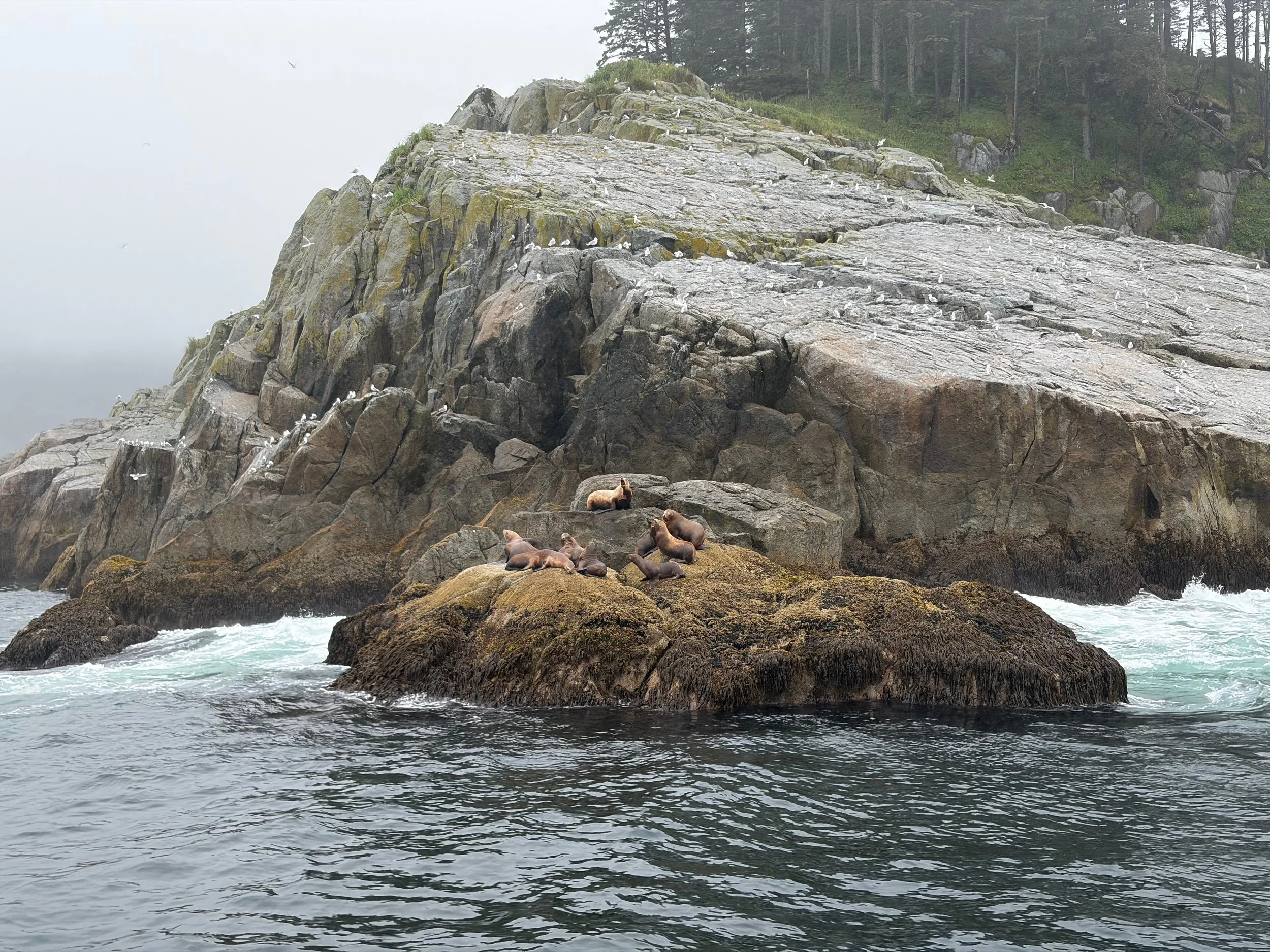
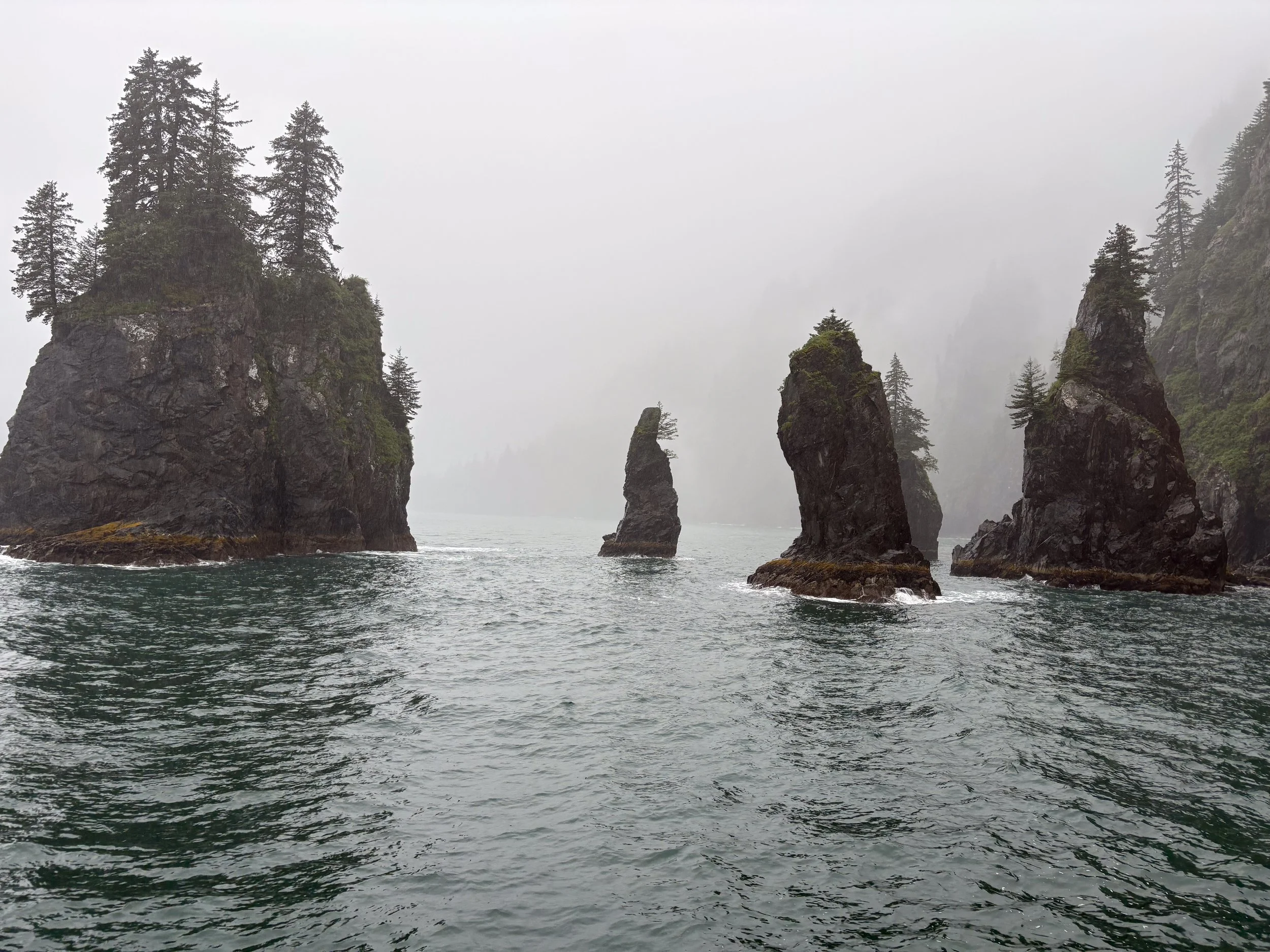
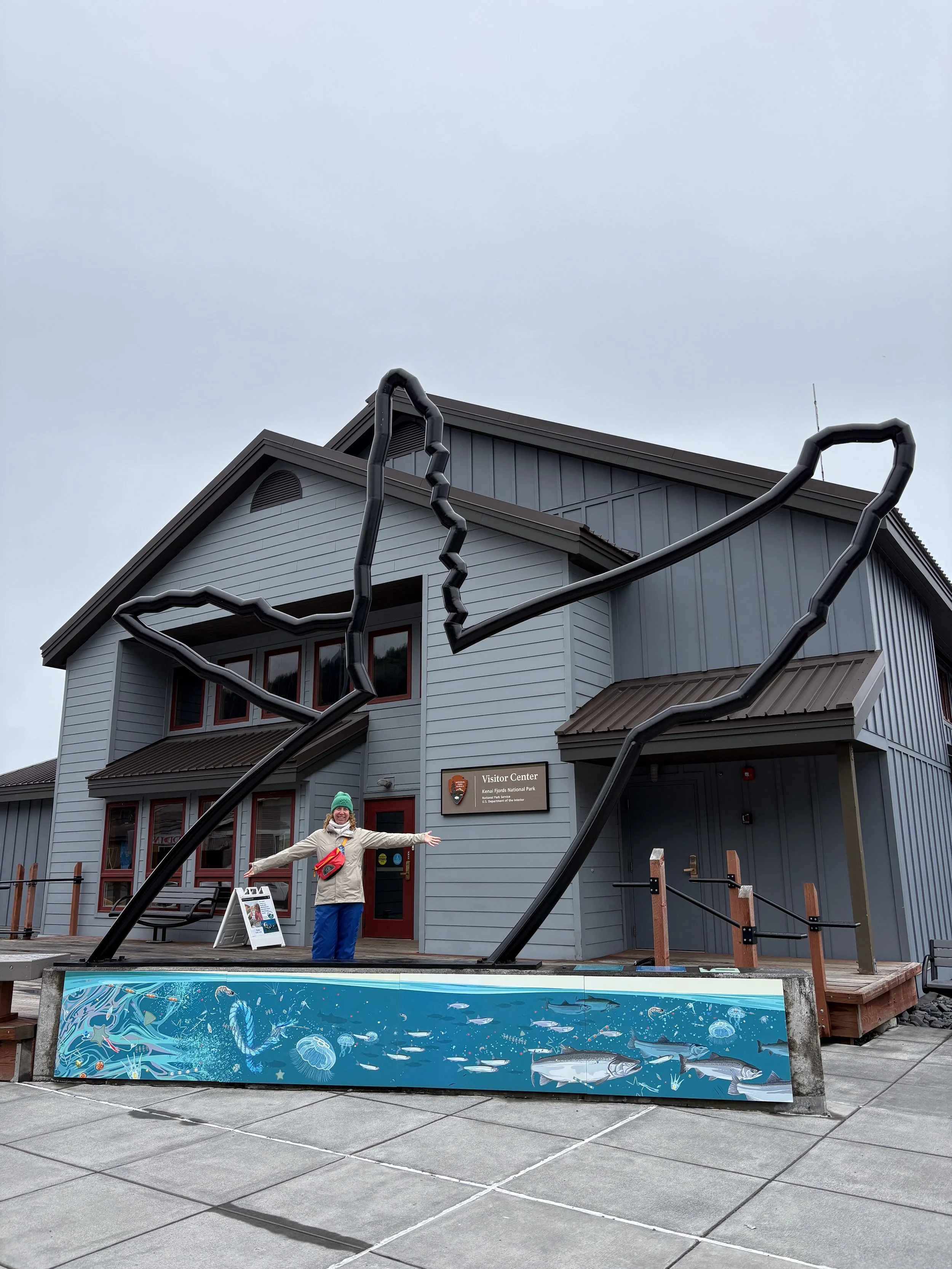
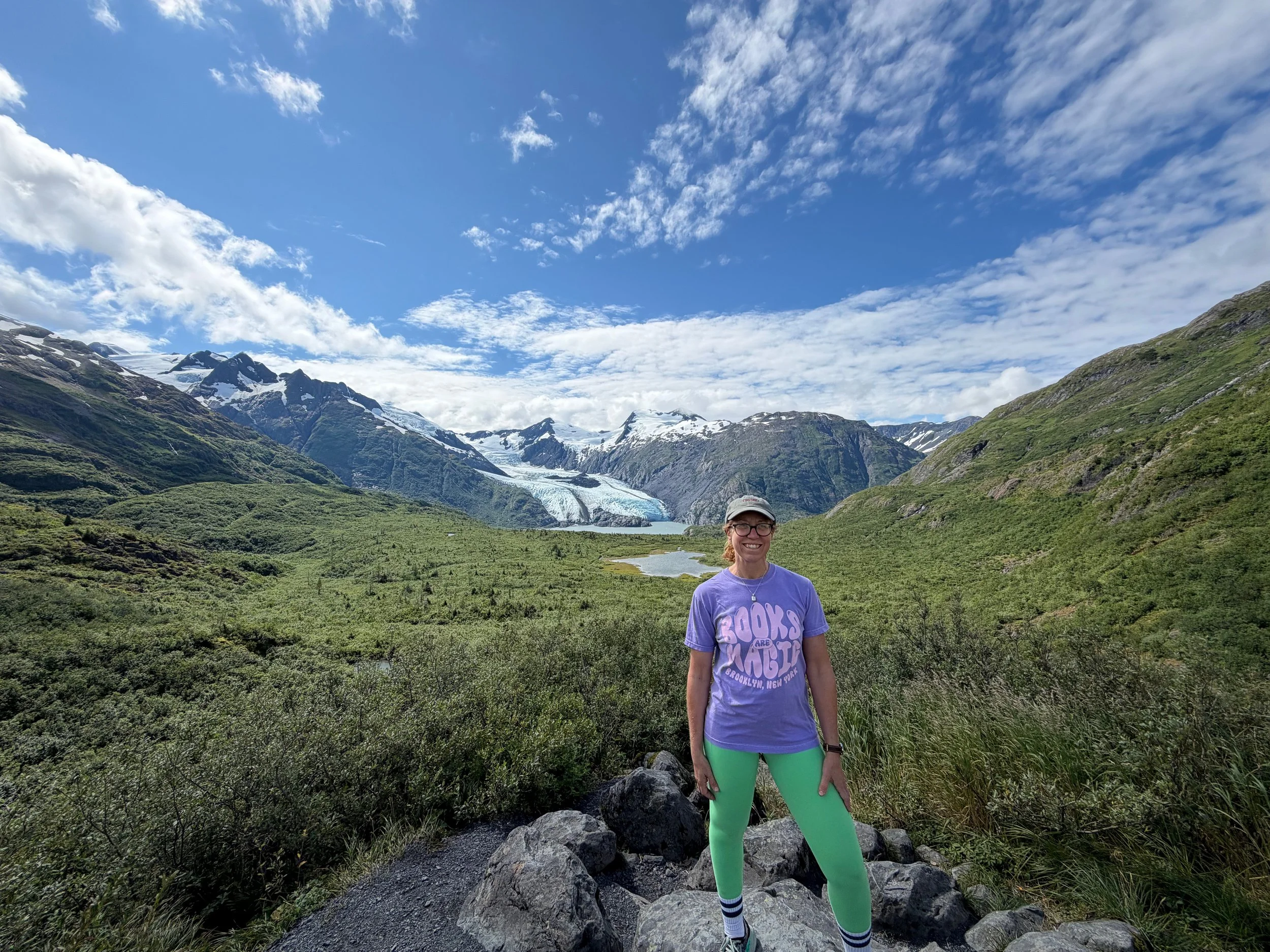
Perhaps the pinnacle of our trip was a day-long boat excursion from Resurrection Bay in Seward into Kenai Fjords National Park. We saw incredible wildlife – puffins, sea otters, harbor seals perched on sea ice, walruses, and of course, whales! Our guide was thrilled to share that our viewing of a minke whale was very rare, and we got a fabulous flipper hello from a humpback whale. While we did not see any orcas, we were treated to the other-worldly, once-in-a-lifetime opportunity of seeing a glacier up close. The Harding Icefield covers more than 700 square miles in Kenai Fjords National Park and is the source of over 35 named glaciers. We had a spectacular visit to a tidewater glacier, a type of glacier that occupies a fjord and terminates in the ocean, and saw a display of “calving” as the glacier shed off huge chunks of ice. While I am not sure if I can fit glaciers and sea ice into our curriculum, I would certainly love to try!
Whittier, Alaska
The adventure continued to Whittier, another small, remote port city on Prince William Sound. The tunnel through a mountain to get there only opens once an hour in each direction. The drive through was a little unnerving and also totally awesome. Chris made sure we got a video to bring back for third graders as part of his curriculum, too.
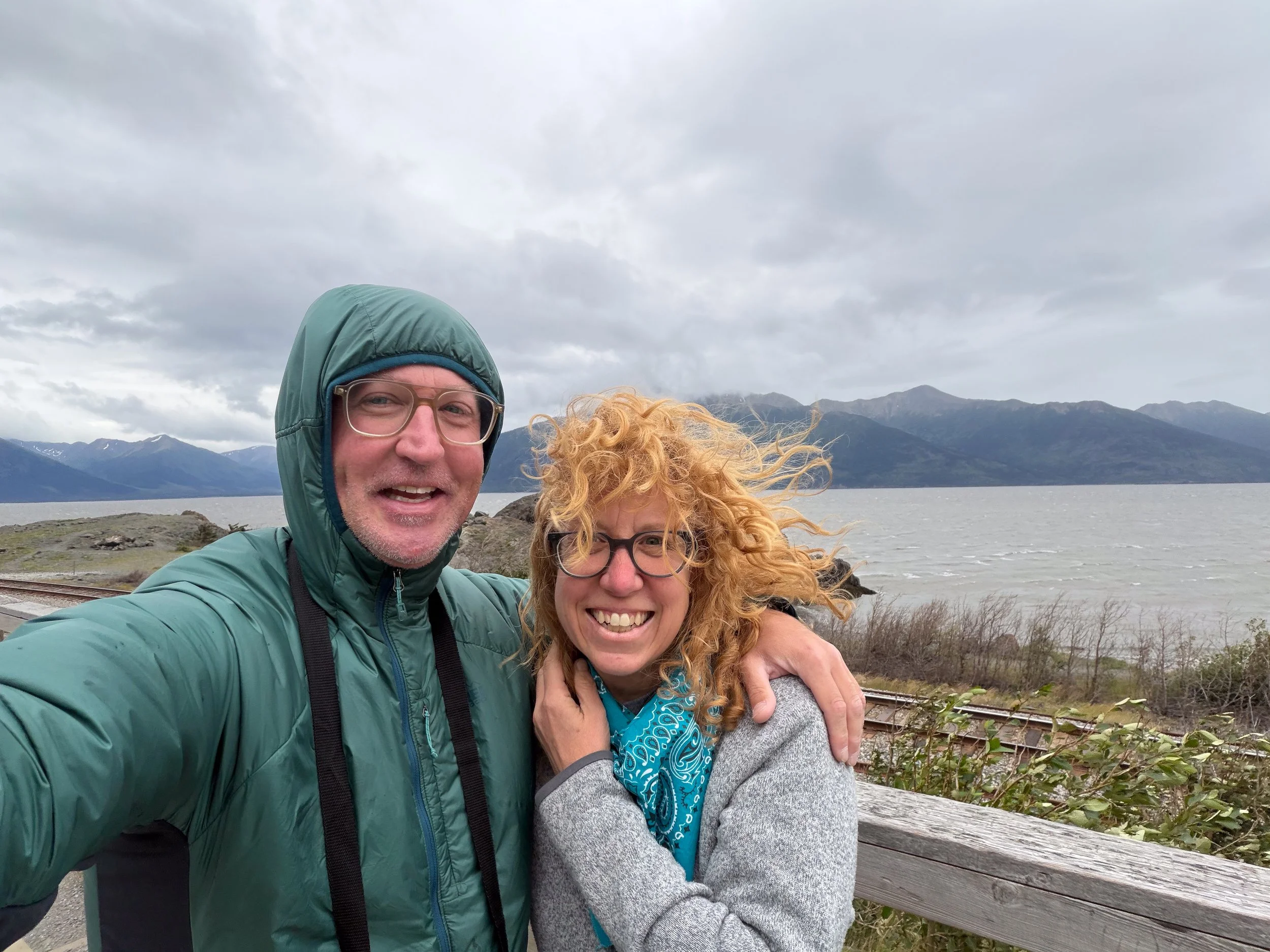
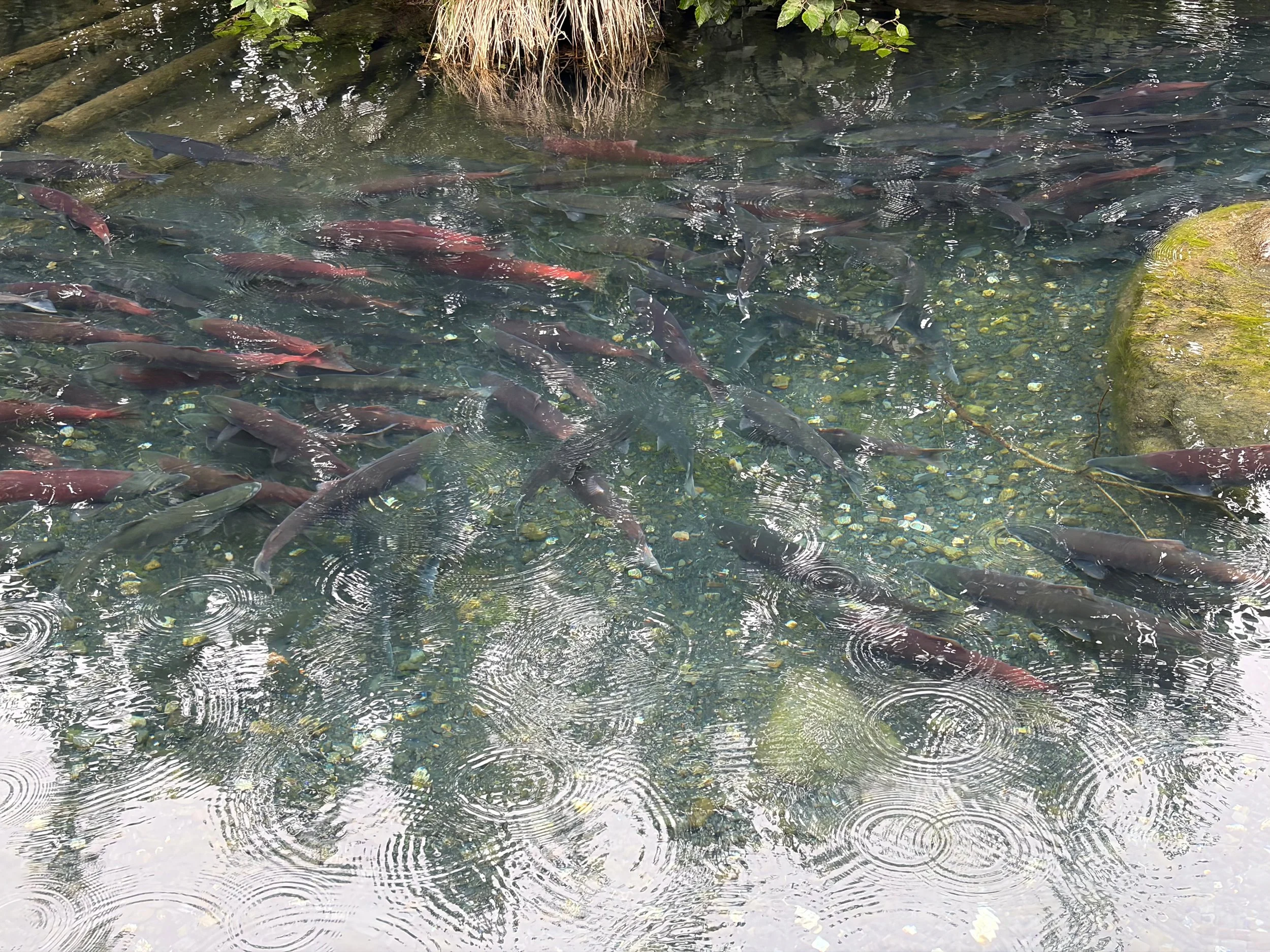
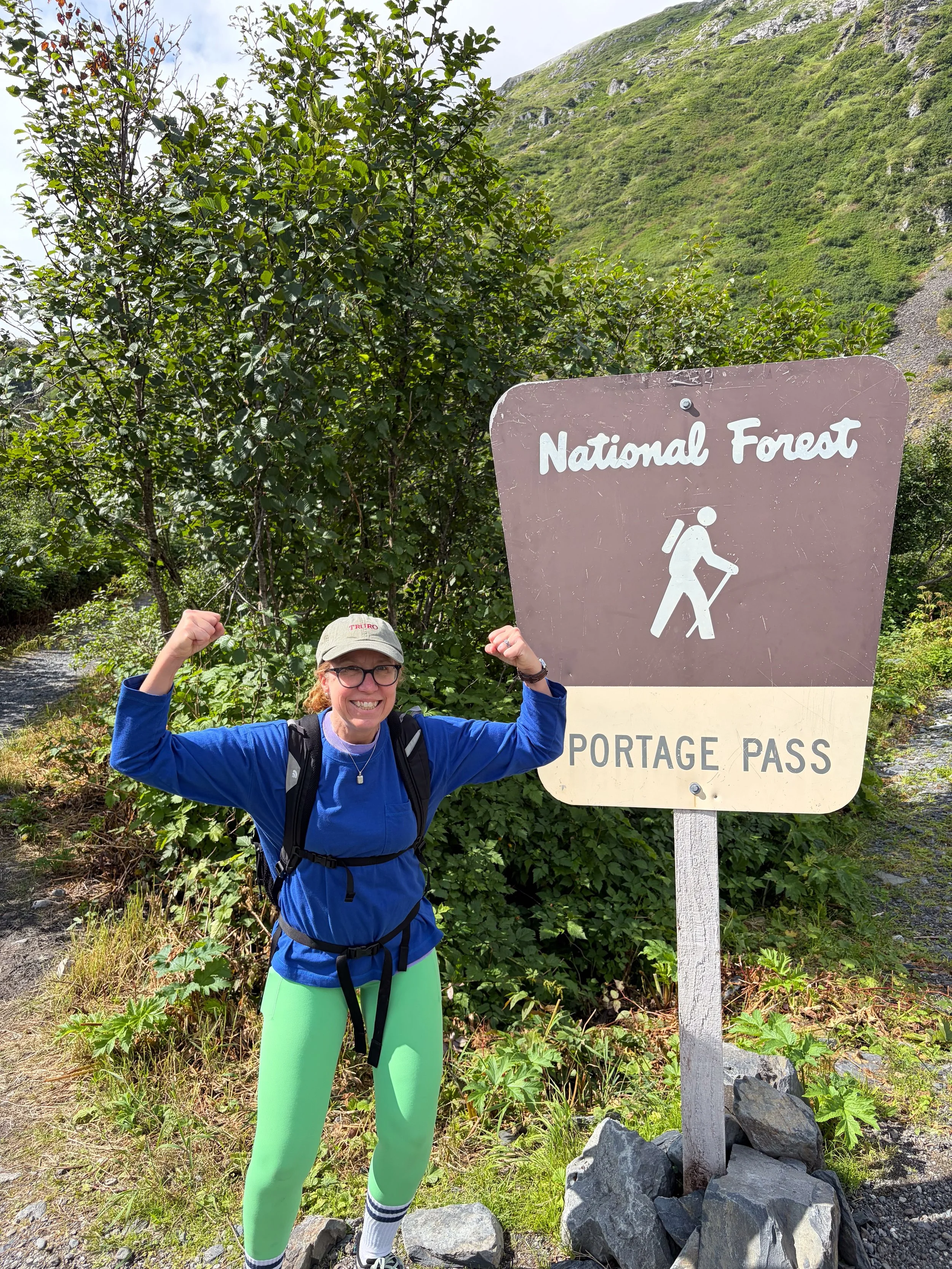
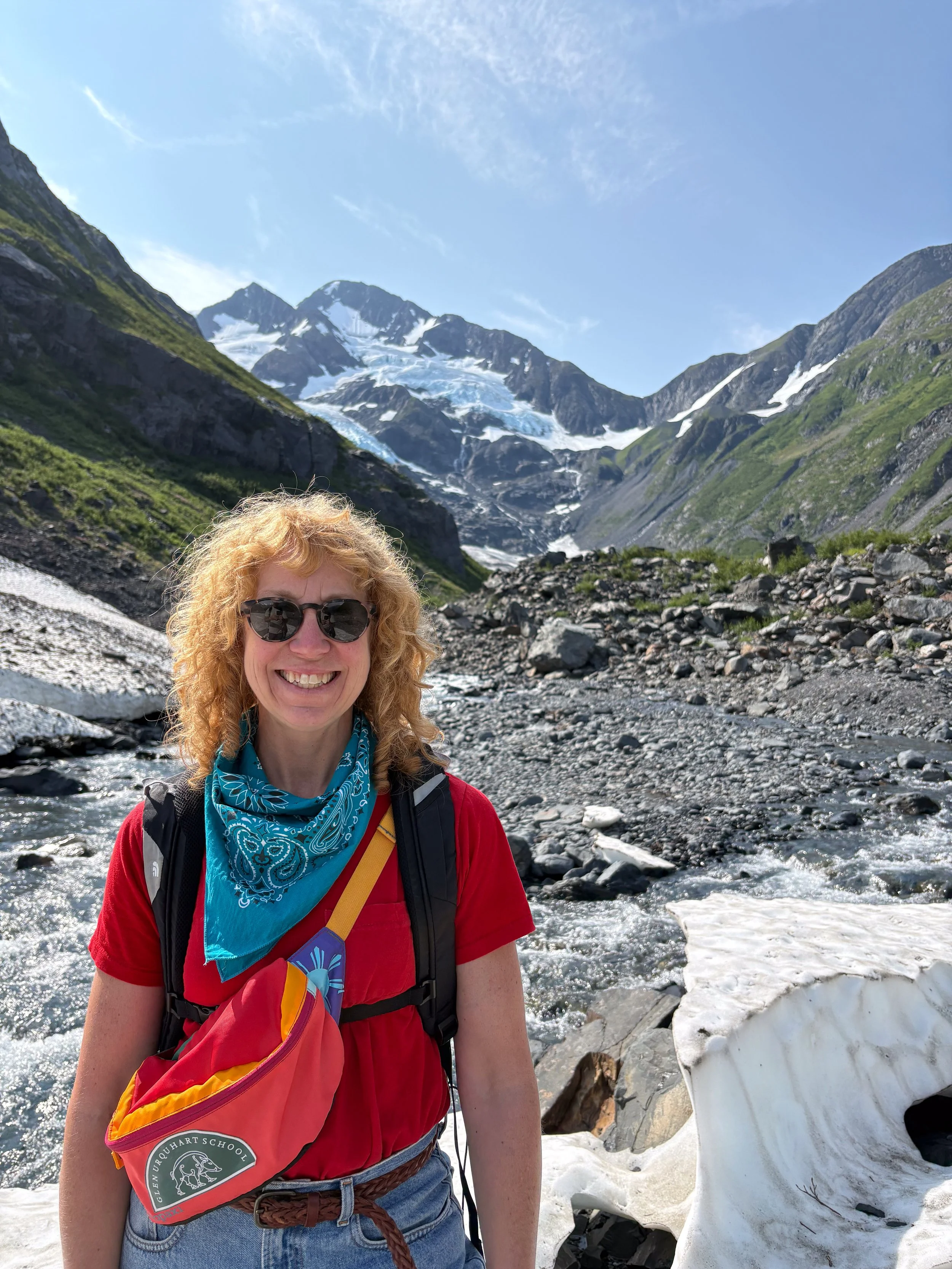
The feeling and appreciation for nature, animals, and the wilderness in Alaska is a big part of what I am bringing home with me from this adventure. Chris and I made time to explore and hike to see salmon, glaciers, waterfalls, and mountains. We even spent a few hours scouring the water for beluga whales, though we had no luck. I smiled at the connection I felt to the Yankee sailors I’d learned so much about, with the time spent looking for whales. I have always appreciated the outdoors focus of GUS, and I feel even more proud and grateful having had this experience in a place like Alaska, where the outdoors is so valued, appreciated, and protected by the people who live in and among it.
I bring back from this opportunity everything that I experienced and learned. I carry with me the Native Alaskan’s unparalleled appreciation and understanding of animals like whales and the land + water around them. I see the paintings, and photographs, and installations of artists inspired by Alaska. I remember the sea otters, sea lions, and puffins up close at the aquarium and then in the wild from our cruise. The connections to our fourth grade curriculum are detailed and inspiring and ready! I cannot wait to share more now that we are back in the classroom at GUS.
About The Tadler Grant
The Tadler Grant provides extraordinary professional development opportunities to exemplary GUS teachers – who then bring those first-hand experiences and knowledge back to the classroom. Established by former Trustee Richard Tadler and his wife Donna P ’05 ’09, the grant has provided GUS faculty members with a wide range of amazing experiences, from attending educational conferences to traveling to foreign countries.